How to Remove Black Mold From Wood

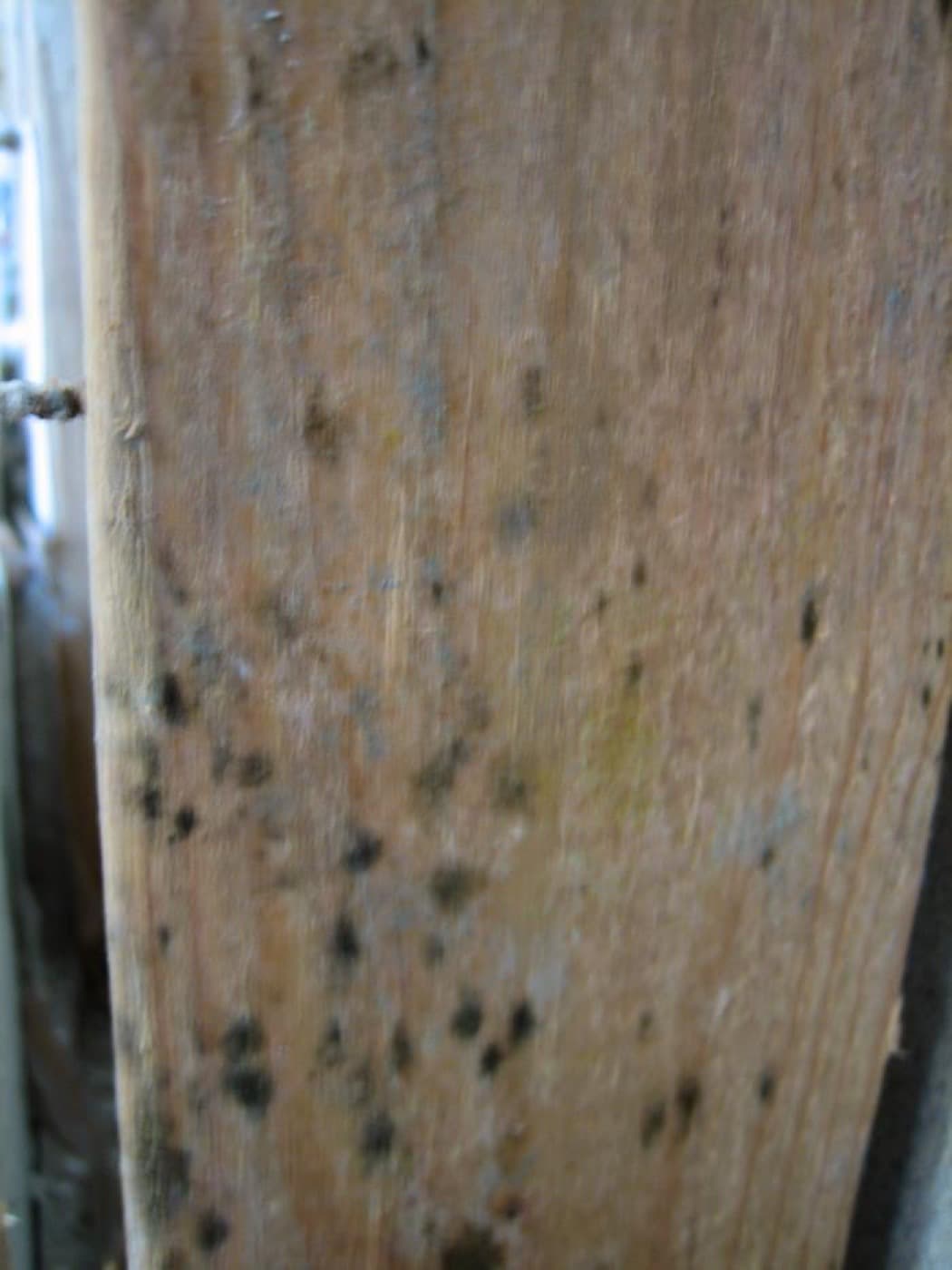
How to remove black mold from wood is a more hopeful question than removing it from drywall, because wood often survives. Unlike paper-faced drywall, solid wood, framing, furniture, and trim can frequently be cleaned, scrubbed, and dried back to good condition — the mold lives on and just below the surface, and sound wood is dense enough that you can usually get it out without throwing the piece away. The big exception is wood that has gone soft and spongy from long-term water exposure; that is rot, and rot gets replaced.
Below I'll walk through the whole job the way I'd do it myself: the one feel-test that tells you whether the wood is salvageable, how to scrub and (when needed) sand the mold out, how the approach changes between framing, furniture, floors, and exterior wood, and how to seal and dry the surface so it stays clean. I'll also be clear about which woods you should simply replace and when to bring in a pro.
From Sukie's experience
When I tore out the moldy drywall in my bathroom, the studs behind it were blotched black too — but they were still hard, so I scrubbed them with a stiff brush and detergent, let them dry for the better part of a week with a box fan running, and they were fine to build back over.
Why wood is often salvageable when drywall isn't
Mold needs moisture and a food source. On wood, the food is the cellulose, but solid lumber is dense, so unless the wood has stayed wet for a long time the mold tends to colonize the surface and the top fraction of an inch rather than rotting the whole board. That means scrubbing and, if needed, light sanding can physically remove the growth and leave structurally sound wood behind. Compare that to drywall, where the paper is the food and it wicks moisture deep, which is why soaked drywall gets cut out instead.
The decision still comes down to one feel-test: poke the wood. If it's hard and only stained or fuzzy on the surface, you can almost always save it. If a screwdriver sinks in, the fibers are soft, or the wood is crumbling and dark all the way through, that's wood rot and decay, and the affected piece should be removed and replaced by someone who can assess the structure.
Stop the moisture and gear up first
Same non-negotiable as every mold job: find and fix the water source before you clean. Wet framing in a wall, a leaking window, a damp crawl space, or a humid basement will re-grow mold on freshly cleaned wood within weeks. The CDC and EPA both lead with moisture control because nothing else sticks without it.
Then protect yourself before disturbing anything:
- N95 respirator at minimum (better for sanding, which throws a lot of fine spore-laden dust)
- Non-vented goggles and rubber or nitrile gloves
- Long sleeves you can wash hot
- Open a window, run a fan blowing outward, and shut off the HVAC so you don't spread spores
If you have asthma, mold allergies, or a weakened immune system, hand this job to someone else.
Not sure if it's a DIY job or a pro job?
Get a ballpark price first, then decide.
Estimate my removal cost →Step-by-step: scrubbing mold off solid wood
- HEPA-vacuum the surface to lift loose spores before you add any liquid.
- Mix a gentle cleaner: a squirt of dish soap in warm water handles most light growth. For stubborn growth, a dedicated mold cleaner or a diluted detergent solution works. Avoid drenching the wood.
- Scrub with a stiff brush along the grain. The brush physically breaks up and lifts the colony — that mechanical action matters more than the chemical.
- Wipe up the slurry with a damp cloth, rinsing the cloth often so you're removing spores, not redistributing them.
- Dry it hard and fast. Wet wood is an open invitation; run fans and a dehumidifier and don't seal or paint until the wood is fully dry (a moisture meter reading that matches dry framing elsewhere in the house is the benchmark).
For unfinished or rough wood like framing, the brush-and-detergent method is exactly what the EPA describes for cleaning mold off hard surfaces. Finish by HEPA-vacuuming the area again once it's dry.
When scrubbing leaves a stain: sanding it out
Mold can leave a dark discoloration in the wood grain even after the living mold is gone. On furniture, trim, hardwood, or visible framing where looks matter, light sanding removes that stained top layer.
Wear your respirator and goggles — sanding is the dustiest, most spore-spreading step of the whole job. Start with a medium grit (around 100–120), sand along the grain just enough to take off the discoloration, then HEPA-vacuum and wipe with a damp cloth to clear the dust. Don't sand into structural wood any deeper than you need to. On hidden framing, a faint stain that's clean and dry is cosmetically fine and doesn't need sanding at all — I left mine stained but sound.
A quick word on bleach: it's a poor choice for wood. The water carries deeper into the grain (feeding mold), while the disinfecting part stays on the surface, so you lighten the stain without killing the roots. The EPA doesn't recommend routine bleach use for home mold cleanup. Scrubbing plus sanding outperforms it on wood.
Different wood, different approach: framing, furniture, floors, and trim
"Wood" covers a lot of materials, and the right method shifts depending on what you're dealing with.
- Framing and studs: rough, unfinished, and usually hidden, so looks don't matter. Scrub with a stiff brush and detergent, dry hard, and HEPA-vacuum. A residual stain that's clean and dry is fine to build over — no need to sand. This is exactly what I did behind my bathroom drywall.
- Hardwood floors: surface mold on a sealed floor often wipes off, but if water got under the finish and the boards have cupped, warped, or stained through, the affected boards usually need replacing. Standing water plus wood flooring is a fast path to permanent damage.
- Furniture and trim: these you usually want to look good afterward, so clean first, then sand out stains along the grain, then refinish or repaint with a stain-blocking primer underneath so old mold staining can't ghost through.
- Decks and exterior wood: outdoor wood tolerates a firmer approach — a deck-wash or mold cleaner, a scrub brush, and a rinse, followed by a fresh sealer once dry to keep moisture out.
The constant across all of them: physically remove the mold, dry the wood thoroughly, and address whatever kept it wet.
Worth noting that the EPA's mold resources lead with moisture control rather than cleaning products, which is the right order of priorities.
Treat the surface after cleaning to slow regrowth
Cleaning removes the mold you have; sealing helps prevent the mold you'd otherwise get next. Once the wood is genuinely dry, a couple of finishing steps add a margin of protection, especially in damp-prone spots like basements, crawl spaces, and bathrooms.
On wood that will be painted or visible, a stain-blocking primer (shellac- or oil-based) locks any leftover discoloration so it can't bleed through, and gives a clean base for paint. On exterior or unfinished wood, a penetrating sealer reduces how much moisture the grain can absorb. There are also surface treatments marketed to inhibit mold regrowth; these can help, but treat them as a supplement, not a substitute — none of them work if the wood keeps getting wet. The real prevention, as the EPA emphasizes, is keeping the wood dry in the first place: fix leaks, ventilate, and keep indoor humidity in the 30–50% range. I keep a full prevention plan on my dedicated page if you want the room-by-room version.
Wood you should remove, and when to call a pro
Replace wood, don't clean it, when: it's soft or crumbling (rot), it's a porous engineered product like particleboard or OSB that has soaked through and swelled, or it's load-bearing framing with significant decay. Particleboard and MDF act more like drywall than lumber — once they're saturated and moldy, they're usually trash.
Bring in a certified remediation contractor when the moldy area is larger than about 10 square feet, when structural framing is involved and you're unsure if it's sound, when mold extends into wall cavities or the HVAC, when the water came from sewage or flooding, or when anyone in the home has a health vulnerability. A pro can evaluate whether that black-stained joist is still safe to keep — which is exactly the call you don't want to guess on.
Get a realistic price before you call anyone
Use our free Black Mold Removal Cost Estimator to get a tailored price range for your room, size, and severity — built from current national and regional pricing data. Then you'll know whether a contractor quote is fair before you commit.
Open the Cost Estimator →