Whole House Mold Remediation Cost: What a Full-Home Job Really Runs

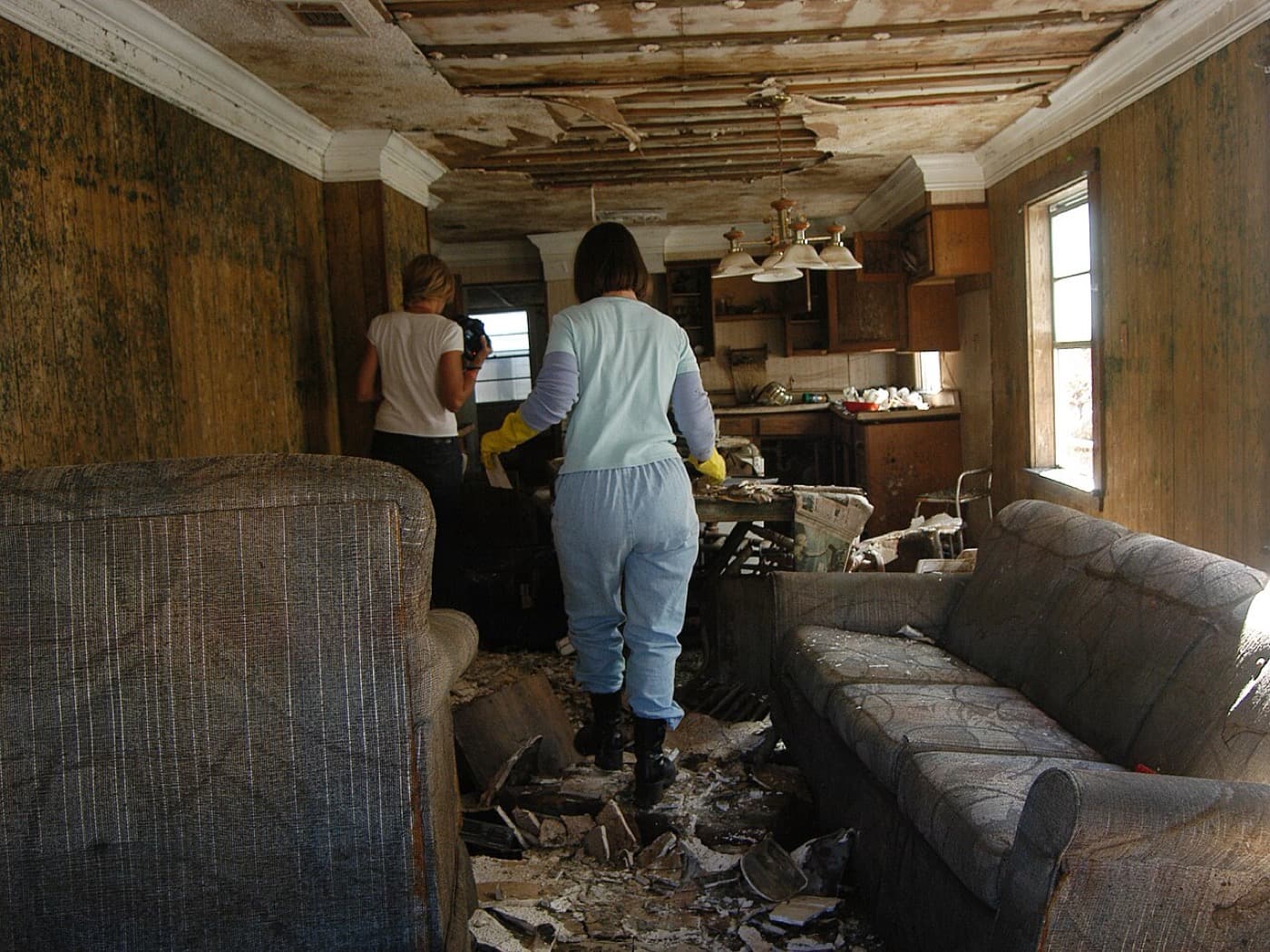
Whole house mold remediation cost typically runs $10,000 to $30,000 in 2026, and severe, structure-deep cases can climb well past that. This is the worst-case scenario in the mold world — not a single moldy bathroom or a damp corner of the basement, but contamination that has spread across multiple rooms, into the HVAC system, or through the home's framing. Because the number is so large, it's worth understanding exactly what you're paying for, what pushes a job toward the high end, and whether your situation truly requires a whole-house approach or something smaller.
Having dealt with mold in two separate areas of the same house, I can tell you that a true whole-house job is a different animal: it's less like a repair and more like a temporary evacuation, with containment zones, air scrubbers running for days, and a crew working room by room. Below is a realistic, no-scare-tactics breakdown.
From Sukie's experience
When my basement mold and bathroom leak overlapped one wet spring, a remediation estimator walked the whole house and explained that if the mold had reached my ductwork, the quote would have tripled overnight — that single sentence taught me why whole-house numbers swing so wildly.
The 2026 cost range by home size
Whole-house remediation scales with square footage, the number of affected rooms, and how deep the contamination goes. Here's a realistic 2026 range:
| Home size / scenario | Typical cost |
|---|---|
| Small home, limited multi-room spread | $10,000 – $15,000 |
| Average home, several rooms affected | $15,000 – $25,000 |
| Large home or heavy contamination | $25,000 – $30,000 |
| Severe, structure-deep, HVAC involved | $30,000 – $50,000+ |
| Per square foot (whole-home basis) | $15 – $30/sq ft |
For comparison, the average single-area mold remediation is about $2,400, and most isolated jobs land in the $1,200–$3,800 band. A whole-house figure is an order of magnitude higher because it's effectively many remediation jobs running at once, plus the shared overhead of containment, air filtration, and project management. Cost references from This Old House and Angi both put extensive whole-home remediation in the $10,000–$30,000 range, with severe cases higher.
What a whole-house job actually includes
A full-home remediation is a structured project, not a one-day spray-and-go. The typical scope:
- Comprehensive inspection and testing — mapping every affected area, often with air sampling room by room.
- Containment zones — sealing each work area with plastic and negative air pressure so spores don't migrate.
- Air filtration — HEPA air scrubbers running continuously, sometimes for days.
- Material removal — moldy drywall, insulation, carpet, and trim are cut out and bagged.
- HVAC remediation — if ducts are contaminated, cleaning or replacement (a major cost driver).
- Structural treatment — cleaning and treating framing, sometimes repairing rot.
- Drying and dehumidification — the whole envelope must be dried out.
- Reconstruction — replacing everything removed and refinishing.
- Clearance testing — verifying the home is safe before you move back in.
Reconstruction alone can be half the total. Remember that 'remediation' removes the mold, but putting the house back together — new drywall, flooring, paint, trim — is its own large line item.
Not sure if it's a DIY job or a pro job?
Get a ballpark price first, then decide.
Estimate my removal cost →The factors that push you to the high end
Two whole-house quotes can differ by tens of thousands. The biggest escalators:
- HVAC contamination. Mold in the ductwork spreads spores everywhere and can add $3,000–$7,000+ for cleaning or duct replacement.
- Structural rot. Mold that has compromised joists, subfloor, or framing turns remediation into a renovation.
- The moisture source. A foundation, roof, or grading problem must be fixed, sometimes for thousands, or the mold returns.
- Toxic/heavy contamination. Dense black mold over large areas requires more containment, labor, and disposal.
- Living arrangements. Severe jobs may require you to move out temporarily, adding lodging costs.
- Reconstruction finishes. High-end flooring, cabinetry, or custom trim raise the rebuild cost.
If a quote seems shockingly high, the usual culprits are HVAC involvement and structural damage. Ask the estimator to separate remediation from reconstruction from moisture-source repair so you can see where the money is going.
Does insurance help with a whole-house job?
Given the size of the bill, insurance is the first thing homeowners ask about — and the answer is usually disappointing. Standard homeowners policies only cover mold when it stems from a sudden, covered peril like a burst pipe, and even then most cap mold payouts between $1,000 and $10,000. A $20,000 remediation with a $5,000 mold sublimit leaves you covering the rest.
Whole-house mold most often comes from chronic moisture — humidity, flooding, foundation leaks, long-term roof problems — which insurers classify as maintenance and exclude. If you bought a mold endorsement, your cap may be higher. The practical takeaway: don't assume insurance will rescue a whole-house job. Read your policy's mold sublimit, and if the cause was a sudden covered event, document everything immediately and file fast.
Is a whole-house approach even necessary?
Before committing to a five-figure project, make sure the diagnosis matches the price. 'Whole house' is justified when mold has genuinely spread across multiple rooms, into shared systems like HVAC, or through the building envelope. It is NOT justified when one company labels an isolated basement or bathroom problem a 'whole-house emergency' to inflate the quote.
Protect yourself with an independent inspection from a company that doesn't also do the remediation — a separate inspector has no incentive to over-scope. The EPA's mold resources emphasize fixing the moisture problem and remediating the affected areas; they don't recommend gutting an entire house unless contamination is truly widespread. Get at least three quotes, and be wary of anyone who diagnoses the worst case before testing.
Realistic ways to manage a big remediation bill
You can't make a genuine whole-house job cheap, but you can keep it from ballooning:
- Get an independent inspection to confirm the true scope before hiring anyone.
- Separate the line items — remediation, reconstruction, and moisture repair — and consider handling some reconstruction yourself or with your own contractor.
- Fix the moisture source first and permanently, so you never pay for this twice.
- Phase the work if rooms can be safely isolated, spreading cost over time.
- Check for any insurance angle if a sudden covered event was involved.
- Compare three certified, itemized quotes and verify credentials and references.
The single biggest money-saver, though, is prevention long before this point: controlling humidity, fixing leaks early, and ventilating moisture-prone rooms. A $200 dehumidifier and a few prompt repairs are a lot cheaper than a $25,000 remediation.
Warning signs you may need a whole-house assessment
How do you know whether your problem is one bad room or a whole-house situation before paying for an inspection? A few signals point toward broader contamination:
- A persistent musty smell throughout the house, not just in one room — odor that follows you from floor to floor often means spores are circulating, frequently through the HVAC system.
- Mold appearing in multiple, unconnected rooms, which suggests either a shared moisture source or airborne spread rather than one isolated leak.
- Visible mold near or inside air vents and registers, a strong hint the HVAC system is involved and pushing spores everywhere.
- Household-wide symptoms — multiple people with unexplained congestion, irritated eyes, or worsening allergies that improve when they leave the house.
- A history of major water intrusion, like a flood, a long-undetected pipe leak, or chronic basement and crawl space moisture.
If you see several of these together, an independent whole-house inspection is justified before you commit to any remediation. If only one room shows mold and the rest of the house is clean and odor-free, you're likely dealing with an isolated job priced in the low thousands, not a five-figure whole-house project — and you should be skeptical of anyone who insists otherwise without testing.
How long a whole-house remediation takes
Timeline scales with scope. A multi-room remediation (without major reconstruction) often takes one to two weeks. Add reconstruction and you're typically looking at three to six weeks total, sometimes longer if structural repairs or HVAC replacement are involved. During active remediation, affected zones are sealed off, and for severe cases you may need to stay elsewhere while air scrubbers run. Build that potential lodging cost and the disruption into your planning — the dollar figure isn't the only thing a whole-house job demands.
The sequence usually runs: inspection and testing first (a day or two), then containment setup, then material removal and treatment room by room, then drying, then clearance testing before reconstruction begins. Reconstruction is its own phase and often the longest. A common mistake is rushing reconstruction before the structure is fully dry and clearance-tested — closing up walls over lingering moisture is how a freshly-remediated home grows mold again within months. If a contractor wants to skip clearance testing to save time, that's a red flag worth pushing back on.
Get a realistic price before you call anyone
Use our free Black Mold Removal Cost Estimator to get a tailored price range for your room, size, and severity — built from current national and regional pricing data. Then you'll know whether a contractor quote is fair before you commit.
Open the Cost Estimator →