Black Mold in Bathroom: Why It Grows and How to Get Rid of It

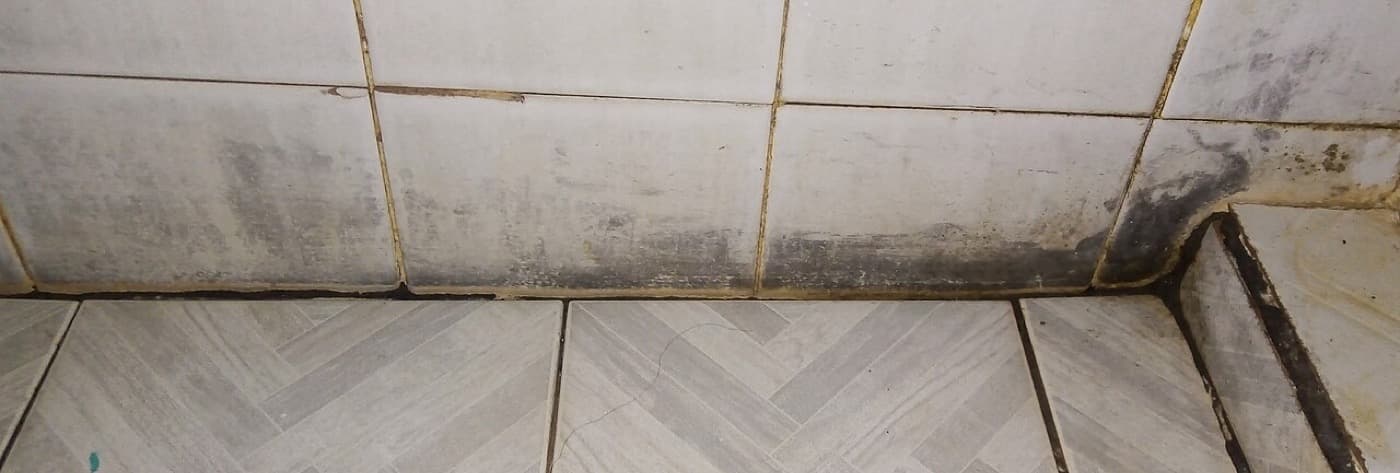
Black mold in bathroom corners, grout lines, and ceiling edges is one of the most common problems homeowners face, and it's almost always a moisture story. The bathroom is the wettest, most humid room in the house: hot showers dump warm water vapor into the air, that vapor condenses on cooler surfaces like tile, caulk, and the ceiling, and within 24 to 48 hours of staying damp, mold spores that are already floating everywhere find a foothold. The dark, slimy patches you see are usually a mix of mold species feeding on soap scum, body oils, and the paper backing of drywall.
I've cleaned up bathroom mold the easy way (a quick scrub of surface growth on grout) and the hard way (tearing out a rotted wall behind a tub surround where a slow leak had been feeding mold for years). This guide covers both: how to tell what you're dealing with, how to remove it safely, and the moisture fixes that actually keep it from coming back. The single most important idea up front is that scrubbing the stain without fixing the water source is just rinsing and repeating.
From Sukie's experience
In my 1990s house the bathroom looked clean, but a slow leak behind the tub surround had been wicking water into the wall for years. When I finally pulled the panel, the back of the drywall was black and crumbling, and the studs had a fuzzy gray coating. That taught me that the worst bathroom mold is the mold you can't see.
Why bathrooms grow mold so easily
Mold needs four things: spores (always present in indoor air), a food source, the right temperature, and moisture. Bathrooms hand it three of those on a plate. Spores ride in on the air. The food source is everywhere — soap film, shampoo residue, skin cells, dust, and the cellulose in drywall and caulk. Room temperature is ideal. So the only variable you actually control is moisture, and bathrooms generate it constantly.
A single ten-minute hot shower can raise the room's relative humidity above 80 percent. Without a working exhaust fan or an open window, that moisture has nowhere to go except onto every cool surface: the underside of the toilet tank, the bottom of the window frame, the grout, the silicone seal around the tub, and the ceiling directly above the shower. The EPA is blunt about it: control moisture and you control mold. Everything else is cleanup.
The usual hiding spots (and what each one tells you)
Where the mold appears is a clue about the moisture source. Use this as a quick diagnostic before you grab a sponge:
| Location | Likely cause |
|---|---|
| Grout lines and tile corners | Surface humidity + soap scum; usually cosmetic surface mold |
| Silicone caulk around tub/sink | Trapped water; mold often grows inside the caulk and won't scrub out |
| Ceiling over the shower | Steam condensation, poor ventilation, or a roof/pipe leak above |
| Around the window | Condensation on cold glass and frame in winter |
| Base of walls / behind the toilet | Possible hidden leak from supply line or wax ring |
| Soft or stained drywall | Water inside the wall — the serious kind |
If the wall feels spongy, the paint is bubbling, or there's a musty smell that lingers even when the room looks clean, you may have mold behind the surface. That's no longer a Saturday-morning scrub job — it's a moisture investigation.
Not sure if it's a DIY job or a pro job?
Get a ballpark price first, then decide.
Estimate my removal cost →Gear up before you touch it
Mold cleanup releases spores into the air, so protect yourself first. At minimum: an N95 respirator (a dust mask is not enough), nitrile or rubber gloves that extend past the wrist, and eye protection that seals around the eyes so splashes can't get in. Open the door, run the fan, and if you can, crack a window to vent spores outward rather than into the rest of the house.
If you have asthma, a compromised immune system, or any respiratory condition, do not do the removal yourself — have someone else handle it or call a professional. The CDC notes that people with allergies or weakened immune systems can react more severely to mold exposure.
How to remove surface mold step by step
- Ventilate. Fan on, window open, door open. You want airflow moving out of the room.
- Pre-wet the area with a spray bottle of plain water. Damp spores travel less than dry ones, which keeps the cleanup contained.
- Apply your cleaner. A dedicated mold remover, or a solution of dish soap and warm water for light growth. For non-porous tile and glass, a diluted bleach solution (about one cup bleach per gallon of water) can remove staining — never mix bleach with ammonia or other cleaners.
- Scrub with a stiff brush, working grout and corners. Rinse and repeat as needed.
- Dry completely. Wipe the area down and let the fan run. The faster it dries, the less likely mold returns.
One honest caveat about bleach: it's good at erasing the dark stain on hard surfaces, but it doesn't reliably kill mold rooted in porous materials like grout or caulk, because the water in it soaks in and the active chlorine stays on top. For a deeper look at this, see the dedicated walkthrough on what actually kills black mold.
When the caulk is the problem (and how to replace it)
If mold keeps coming back along the silicone bead around your tub or sink no matter how hard you scrub, the mold is living inside the caulk where you can't reach it. The fix is replacement, not scrubbing. Cut out the old caulk with a utility knife or caulk removal tool, clean and fully dry the channel, then re-seal with a quality mold-resistant silicone caulk. Let it cure for the full time on the label before you get it wet again. This one fix solved a recurring black line in my tub that I'd been re-scrubbing for two years.
Is it really black mold, or just mildew?
Not every dark patch in a bathroom is the dreaded toxic mold people worry about. A lot of what shows up on grout and tile is mildew — a flat, powdery surface growth that's gray to whitish and stays on top of the surface, where it wipes away relatively easily. True mold tends to be fuzzier or slimier, grows in three dimensions, and digs into porous materials. Color alone isn't a reliable identifier: plenty of harmless molds are dark, and the species people call 'black mold' can also look greenish or gray. What actually matters for cleanup is not the species but the amount, whether it's on a porous or non-porous surface, and whether moisture is feeding it.
Don't spend money on testing a small, obvious bathroom patch — the EPA generally advises that if you can see or smell mold, you don't need to test it; you just need to clean it up and fix the moisture. If you want help telling growth types apart, the comparison in the guide on black mold vs mildew walks through the visual and textural differences in detail. The practical takeaway: treat any persistent dark, damp growth as something to remove and prevent, regardless of exactly what it is.
Reader questions, answered
What's the best cleaner for bathroom mold?
It depends on the surface. For non-porous tile and glass, a dedicated mold spray or a diluted bleach solution removes staining well. For porous grout, a mold cleaner or baking-soda paste scrubbed in works better than bleach, which doesn't penetrate. Whatever you use, never mix bleach with ammonia or other cleaners, ventilate the room, and dry everything thoroughly afterward — drying matters more than the specific product.
Can bathroom mold spread to other rooms?
Yes. Mold releases spores into the air, and bathroom air circulates through the rest of the house, so a chronic mold problem can affect indoor air quality beyond the bathroom and seed growth wherever else there's a damp surface. Running the exhaust fan with the door cracked vents spores outside rather than into the hallway, and keeping the whole home's humidity in check limits where mold can take hold.
Will a bathroom exhaust fan really prevent mold?
A properly sized fan that vents outdoors (not into the attic) and runs during and after showers is one of the most effective single fixes. It pulls humid air out before it can condense on surfaces. Adding a timer switch so it runs 20 to 30 minutes after the shower makes it far more effective.
One last set of answers
What humidity level prevents bathroom mold?
Aim to keep relative humidity below 50 percent. Mold struggles to grow when surfaces dry quickly and the air stays dry. A cheap hygrometer lets you actually see the number, and a small dehumidifier helps in windowless bathrooms.
Is the mold on my shower silicone the same as mold on grout?
Often it grows in both, but they behave differently. Mold in grout can sometimes be scrubbed and sealed. Mold inside silicone caulk usually can't be scrubbed out at all and the caulk needs to be cut out and replaced. If it's a black line in the caulk that returns after every cleaning, replace the caulk.
How long does it take mold to grow in a bathroom?
Mold can begin colonizing a damp surface in as little as 24 to 48 hours. That's why drying the room quickly after every shower matters so much — you're trying to keep surfaces dry within that window so spores never get established.
Stop it coming back: humidity control that works
Removal is temporary; prevention is permanent. The goal is to get the bathroom dry quickly after every use and keep relative humidity below 50 percent. Practical steps that made the biggest difference for me:
- Run the exhaust fan during the shower and for 20 to 30 minutes after. A timer switch makes this automatic. If your fan is weak or vents into the attic instead of outside, that's a real problem worth fixing.
- Squeegee the shower walls and glass after showering — it removes most of the standing water mold feeds on.
- Wipe down the tub corners and window sill with a towel.
- Leave the shower door or curtain open so surfaces dry instead of staying sealed and wet.
- Fix drips fast. A running toilet, dripping faucet, or sweating pipe keeps the room damp.
- Add a small dehumidifier if the bathroom has no window and a poor fan. Keeping the air dry starves the mold.
If you want the full prevention playbook for the whole house, the guide on how to prevent black mold goes deeper on humidity, ventilation, and leak detection.
Get a realistic price before you call anyone
Use our free Black Mold Removal Cost Estimator to get a tailored price range for your room, size, and severity — built from current national and regional pricing data. Then you'll know whether a contractor quote is fair before you commit.
Open the Cost Estimator →