How to Remove Black Mold From Ceiling

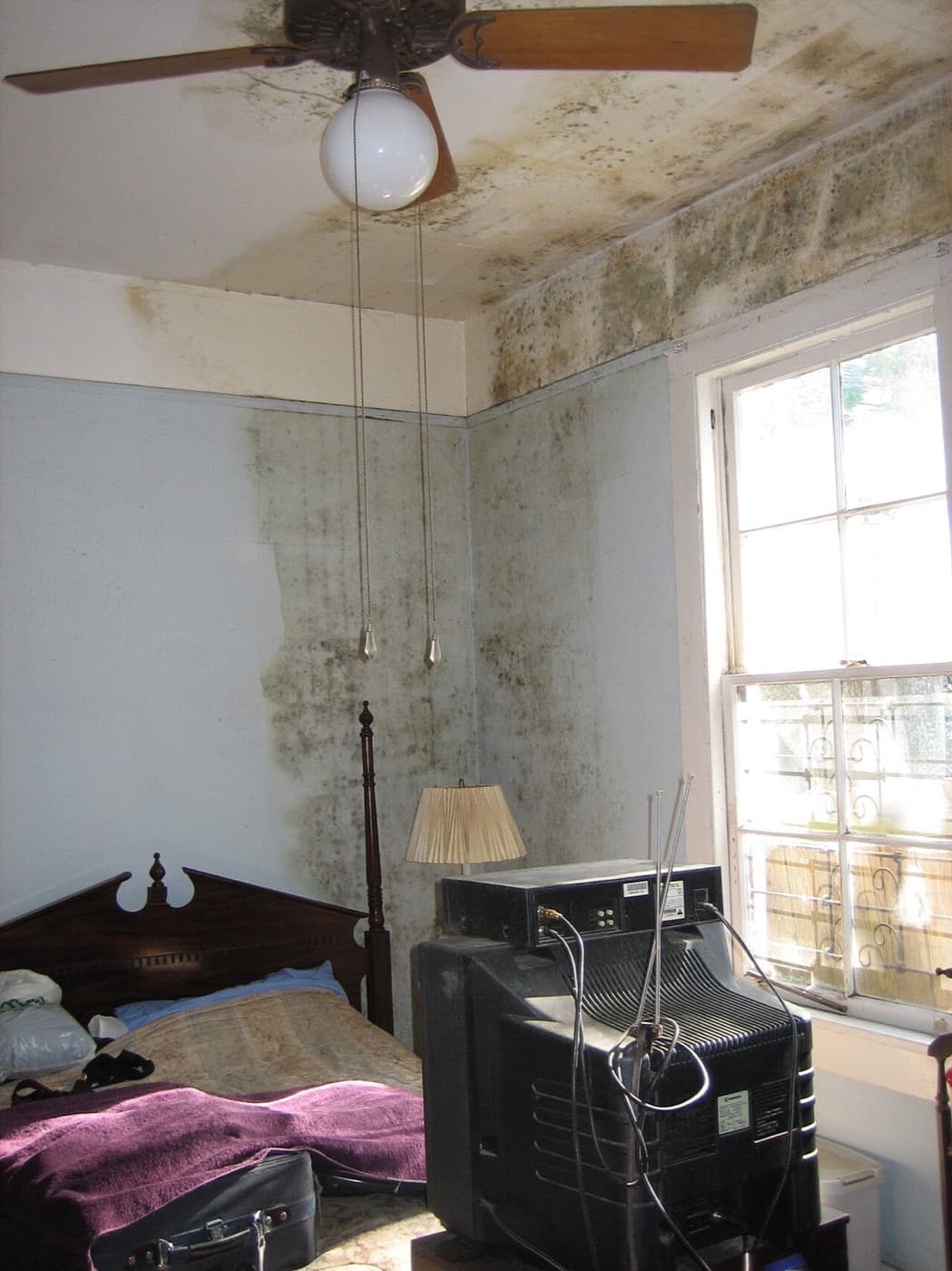
How to remove black mold from ceiling work is a little different from cleaning a wall, and not just because you're looking up. A ceiling stain almost always points to water coming from above — a roof leak, a pipe in the floor above, an overflowing upstairs bathroom, or condensation where warm moist air hits a cold ceiling. So the real job is two jobs: kill and remove the mold you can see, and chase down the moisture source you can't.
Working overhead also changes the safety picture. Spores and cleaning solution rain straight down toward your face, so eye and respiratory protection matter more here than almost anywhere else in the house. Gravity is working against you the whole time, and you're often balancing on a ladder while you do it, so the job rewards patience and good setup more than speed.
Below I'll walk through diagnosing the source (roof, plumbing, or condensation — each has a different fix), gearing up properly for overhead work, cleaning a sound ceiling, when a section of ceiling drywall simply has to come down, the special caution around textured "popcorn" ceilings, and how to make sure it never comes back. Skip the diagnosis and you'll be back on the ladder within a month.
From Sukie's experience
I once chased a black ring on a bedroom ceiling for a month thinking it was a roof leak, only to find it was condensation — the attic insulation had slumped over that spot, the cold ceiling sweated every winter night, and no amount of cleaning held until I re-laid the insulation.
Find the source overhead before you touch the stain
A ceiling almost never grows mold on its own — water is arriving from above. Figure out which kind before you clean, because the fix is completely different:
- Roof leak: stains that worsen after rain, often near the exterior wall, valleys, or around vents and chimneys.
- Plumbing from the floor above: stains under an upstairs bathroom, kitchen, or laundry; may appear regardless of weather.
- Condensation: fuzzy growth in corners, around recessed lights, or in a uniform patch, common where attic insulation is thin or missing and the ceiling runs cold.
- Bathroom/kitchen humidity: mold on a ceiling right above a shower or stove usually means too much humidity and too little ventilation, not a leak.
If you can access the attic or the room above, look there for the wet origin. The EPA and CDC both make moisture control the first step of any mold cleanup — clean before you fix the source and you'll be back on the ladder within weeks.
Overhead PPE: this is where eye protection earns its keep
Cleaning a ceiling means everything you disturb falls toward your face. Gear up accordingly:
- Non-vented goggles — not safety glasses. Drips and spores fall straight down; you want a seal around your eyes.
- N95 respirator or better. An N99 or half-face respirator with P100 cartridges is worth it overhead.
- A hat or hood and long sleeves so debris doesn't land in your hair or on your skin.
- Gloves — long rubber or nitrile.
- Drop cloths on the floor and furniture to catch falling debris and solution.
- Shut off the HVAC, open a window, and run a fan exhausting outward so spores don't circulate.
Work on a stable ladder or low platform, not on tiptoe — looking up while scrubbing throws off your balance, so keep three points of contact and move the ladder rather than overreaching.
Not sure if it's a DIY job or a pro job?
Get a ballpark price first, then decide.
Estimate my removal cost →Cleaning mold off a sound ceiling
If the ceiling drywall or plaster is still firm and dry and the growth is a small surface patch (think condensation in a corner rather than a sagging water-stained crater), you can usually clean it:
- HEPA-vacuum the area to remove loose spores before adding moisture.
- Mix mild detergent and water (a little dish soap in warm water) or use a ready-made mold cleaner.
- Dampen a sponge — don't load it. A sopping sponge drips in your face and over-wets porous drywall. Wring it well and wipe gently.
- Wipe down, then go over it with a clean damp cloth to pick up residue.
- Dry it thoroughly with a fan, then HEPA-vacuum again once dry.
Because ceiling drywall is porous, stubborn or returning stains mean the colony is rooted in the material — at that point stop cleaning and plan to cut it out. Painted plaster ceilings (older homes) are less porous and clean up more easily than paper-faced drywall.
When the ceiling drywall has to come down
If the ceiling is sagging, soft, water-stained through, or the mold keeps coming back, that section needs removing. This is messier overhead than on a wall, so plan for it:
- Tarp the whole room and bag your tools' path — falling moldy drywall makes a cloud.
- Confirm the leak is fixed and the cavity has dried before opening it up.
- Cut a clean rectangle a foot beyond the visible damage, between or along the ceiling joists. Mist the cut line to keep dust down.
- Lower the piece carefully — a falling chunk of wet drywall is heavy and sprays debris. Bag it immediately.
- Inspect above: check joists (scrub if sound, see my wood guide), and bag any wet or moldy insulation — it can't be cleaned.
- HEPA-vacuum and dry the cavity fully before patching with new (ideally moisture-resistant) drywall, then tape, mud, prime, and paint.
Overhead drywall demolition near electrical (recessed lights, junction boxes) is a common spot to call a pro — there's no shame in it.
Stop it from coming back
Removing the stain is the easy part; keeping it gone depends on the source you found earlier. Match the fix to the cause:
- Roof or plumbing leak: repair it properly — this is the permanent fix, full stop.
- Condensation: add or redistribute attic insulation so the ceiling stays warmer, improve attic ventilation, and lower indoor humidity (target 30–50% relative humidity, per the EPA).
- Bathroom/kitchen ceiling: install or upgrade the exhaust fan, vent it outside (not into the attic), and run it during and 20–30 minutes after showers or cooking.
My condensation ring only stopped after I fixed the insulation, not after any of the scrubbing. The source fix is the cure; the cleaning is just cosmetics.
Popcorn and textured ceilings: a special warning
If your moldy ceiling is a textured "popcorn" ceiling, slow down before you scrape, sand, or aggressively scrub it. Many textured ceilings installed before the 1980s contain asbestos, and disturbing them releases fibers that are a serious health hazard entirely separate from the mold. You cannot tell by looking. If the home is older and the ceiling is textured, have the material tested before doing anything that breaks the surface, and consider a professional for both concerns.
Even setting asbestos aside, popcorn texture is fragile and porous — it soaks up cleaning solution, comes apart when scrubbed, and is hard to clean evenly. Light surface mold on a confirmed asbestos-free textured ceiling can sometimes be gently treated, but in practice many homeowners and pros opt to remove and replace a moldy textured ceiling section rather than fight the texture. When in doubt, this is a job to hand off.
Worth noting that the EPA's mold resources lead with moisture control rather than cleaning products, which is the right order of priorities.
When to call a professional for a ceiling
Get a certified remediation contractor when the moldy ceiling area is larger than about 10 square feet, when there's an active roof or plumbing leak you can't locate, when the ceiling is sagging or you suspect mold in the joist cavity or HVAC, when sewage or flood water was involved, when the ceiling is a possibly-asbestos textured type, or when anyone in the home has asthma, allergies, or a weakened immune system. Overhead work plus hidden water plus electrical is a combination where pro containment and HEPA equipment pay for themselves. If you want a sense of pricing before you call, I keep current removal cost figures elsewhere on the site.
One last set of answers
How do I stop mold from coming back on the ceiling?
Fix the source you identified: repair the roof or plumbing leak, add or redistribute attic insulation and ventilation to stop condensation, or upgrade and properly vent a bathroom/kitchen exhaust fan. Keep indoor humidity in the 30–50% range. Cleaning alone never holds if the moisture source remains.
Can mold on the ceiling spread into the attic?
Yes — if the moisture source is above the ceiling, the same water can grow mold on attic framing, sheathing, and insulation. When you open up a damaged ceiling, inspect the cavity above, scrub sound joists, and bag any wet or moldy insulation, which can't be cleaned.
Is it safe to remove a moldy ceiling myself?
A small, contained patch on a sound ceiling can be a DIY job with proper PPE and a fixed leak. But sagging ceilings, large areas over about 10 sq ft, hidden cavity or HVAC involvement, electrical near the work, sewage/flood water, or any household health vulnerability all call for a certified professional.
Why does mold keep coming back on my ceiling after I clean it?
Because the water source is still active. Cleaning removes the visible colony, but ongoing roof leaks, plumbing leaks, or condensation re-wet the ceiling and the mold regrows. The permanent fix is repairing the leak or correcting the insulation and ventilation that cause the condensation.
Is it dangerous to scrub a popcorn or textured ceiling that has mold?
It can be, and not because of the mold. Textured ceilings installed before the 1980s may contain asbestos, and scraping, sanding, or aggressively scrubbing them can release fibers that are a serious health hazard. You can't tell by looking, so in older homes have the material tested before disturbing it, and consider a professional who can handle both the asbestos and mold concerns.
What's the safest way to clean a ceiling without a ladder accident?
Use a stable stepladder or a low platform rated for your weight, set it on a level surface, and keep three points of contact. Don't stand on the top step or overreach to the side — move the ladder instead. Looking up while scrubbing throws off your balance, so work in short reaches, keep one hand free when you can, and have someone nearby. A pole-mounted sponge can let you treat small high spots from a steadier stance.
Should I treat the ceiling cavity after removing moldy drywall?
Yes. Once the damaged ceiling is open, HEPA-vacuum the cavity, scrub any sound joists with detergent and dry them thoroughly, and bag any wet or moldy insulation since it can't be cleaned. Confirm the leak above is fixed and the space is fully dry before you close it back up, ideally with moisture-resistant drywall, so you're not sealing dampness into the new assembly.
Get a realistic price before you call anyone
Use our free Black Mold Removal Cost Estimator to get a tailored price range for your room, size, and severity — built from current national and regional pricing data. Then you'll know whether a contractor quote is fair before you commit.
Open the Cost Estimator →