Black Mold Removal Cost: What I Actually Paid (2026 Guide)

Black mold removal cost in 2026 typically lands between $1,200 and $3,800, with most homeowners paying around $2,400 for a single contained area. That's the honest national average, and it's the number I wish someone had told me before I got my first quote and nearly fell off my chair. The truth is the spread is enormous: a few square feet of surface mold on tile might cost almost nothing if you do it yourself, while a basement-wide problem that has crept behind finished walls can push past $10,000.
I'm Sukie, and I've paid for mold remediation twice in two different houses. This page breaks down what you're actually paying for, the real 2026 price ranges by job type, the hidden costs nobody warns you about, and where I genuinely saved money versus where cheaping out would have cost me more later. Use the estimator on this page to get a ballpark for your specific situation before you ever call a contractor.
From Sukie's experience
When the slow leak behind my 1990s tub surround finally showed itself, the first remediation company quoted me $4,100 sight unseen over the phone; a certified local pro who actually came out charged $1,850 because most of the damage was contained to one wall cavity. That single in-person inspection saved me more than two grand.
The short answer: typical 2026 price ranges
Most black mold removal jobs in 2026 fall into a few predictable bands. Small, contained surface jobs are cheap or DIY-able; anything that involves opening walls, dealing with the HVAC system, or covering large square footage climbs fast. Here's the range I see quoted most often, pulled from national contractor data and matched against the two estimates I personally collected.
| Scope | Typical cost (2026) |
|---|---|
| Small surface area (under ~10 sq ft) | $50-$500 (often DIY) |
| Single room / contained area | $1,200-$3,800 |
| Bathroom | $500-$2,000 (up to $8,000 behind walls) |
| Basement or attic | $1,500-$6,000 (up to $15,000) |
| Crawl space | $2,000-$6,000 |
| HVAC / air ducts | $3,000-$7,000 |
| Whole house | $10,000-$30,000 |
The national average for a typical job sits around $2,400, according to Angi's remediation cost data. Where you land inside these bands depends almost entirely on how far the mold has spread before someone catches it.
What you're actually paying for
A remediation invoice is not just "scrub the wall." When I broke down my second quote line by line, the labor and containment were a bigger chunk than the actual cleaning. Here's where the money goes:
- Containment — plastic sheeting, zip walls, and negative-air machines to stop spores spreading to clean rooms. This is what separates a real remediation from a wipe-down.
- Removal of damaged material — moldy drywall, insulation, carpet, and trim get cut out and bagged. Porous materials usually can't be saved.
- HEPA filtration and air scrubbing — machines run for the duration to capture airborne spores.
- Antimicrobial treatment — the remaining framing and surfaces get treated.
- Labor — typically the single largest line item, billed by crew hours.
- Disposal — bagged moldy material has to be hauled away.
None of this includes rebuilding. Reinstalling drywall, repainting, and replacing flooring is a separate cost, and it's the line item that surprises people most.
Not sure if it's a DIY job or a pro job?
Get a ballpark price first, then decide.
Estimate my removal cost →The cost factors that move your quote the most
Two houses with the same square footage of visible mold can get wildly different quotes. The variables that mattered most for me, ranked roughly by impact:
- How far it spread. Surface mold on a non-porous wall is cheap. Mold that wicked into wall cavities, subfloor, or framing means demolition and rebuild.
- Material type. Tile and sealed concrete clean up. Drywall, carpet pad, and insulation get torn out and replaced.
- Accessibility. A tight crawl space or a finished basement with built-ins costs more in labor than an open garage wall.
- Whether moisture is fixed. If the leak or humidity source isn't repaired, the mold comes back and you pay twice. Reputable pros insist on fixing this first.
- Mold type and testing. Lab testing adds cost but rarely changes the cleanup approach for visible mold.
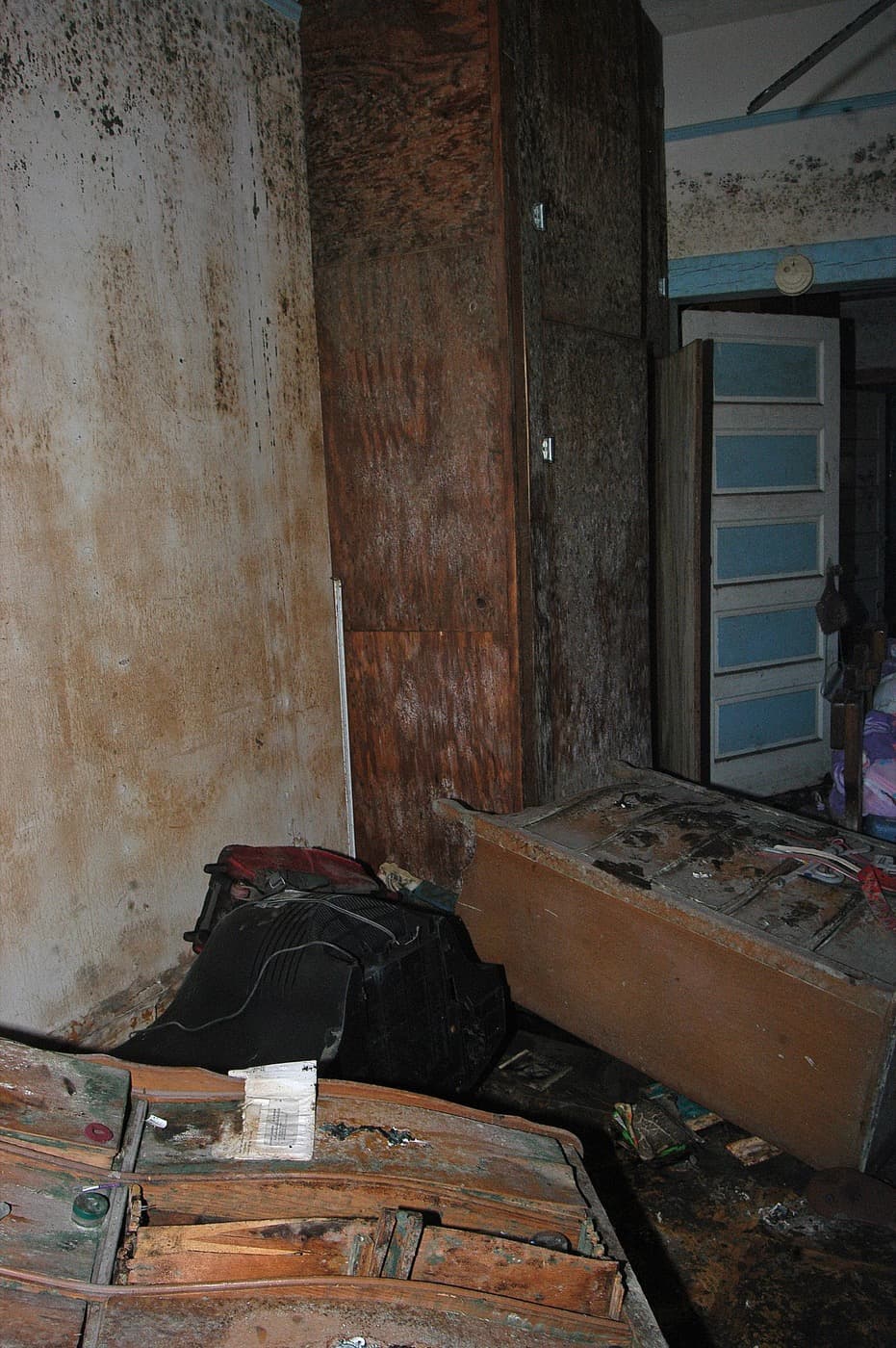
The single biggest lever is time. The leak behind my tub had been dripping for months before I noticed the stain, which is exactly why it got expensive.
DIY versus hiring a pro: the real break-even
The EPA's general guidance is that you can usually clean mold yourself if the affected area is under about 10 square feet (roughly a 3-by-3-foot patch), and you should call a professional for larger jobs, sewage or flood contamination, mold in HVAC, or if anyone in the home has asthma or a compromised immune system. You can read their full guidance at the EPA mold cleanup page.
For my bathroom, the surface mold on the grout and the tile I handled myself for under $40 in supplies. But the rotted wall cavity behind the tub was a pro job, full stop. DIY made sense for the visible, contained part; it would have been reckless for the hidden, structural part. My rule of thumb after doing both: if you have to open a wall, hire it out.
The financial logic is straightforward. DIY caps your downside at the price of supplies and your weekend, but only when the problem is genuinely contained and on the surface. The moment hidden moisture, structural material, or air-handling systems are involved, the cost of a botched DIY job, spores spread through the house, mold left to keep rotting framing, no clearance documentation, dwarfs what you'd have paid a pro. So the honest cost-saving move isn't "always DIY," it's "DIY the small surface stuff confidently, and don't kid yourself about the rest." Knowing which side of that line you're on is the most valuable cost decision you'll make on the whole project.
How I kept the bill down (without cutting corners)
You can spend less without buying a worse outcome. Here's what genuinely worked:
- Get in-person estimates from at least three certified pros. My phone quote was more than double the in-person one. Reputable companies inspect before they price.
- Do the safe, surface-level cleaning yourself. Anything under 10 sq ft and non-porous is fair game with an N95, gloves, and eye protection.
- Fix the moisture immediately. Paying once is cheaper than paying twice when it regrows.
- Don't over-test. If mold is clearly visible, expensive lab typing usually doesn't change the cleanup plan.
- Check your insurance. Some sudden-event water damage triggers coverage, even if gradual mold typically doesn't.
What I would not skimp on: containment and a real moisture fix. Those are the difference between solving the problem and renting it.
How the remediation timeline maps to cost
Cost and time move together on a mold job, and understanding the timeline helps you read a quote. A small contained job typically runs one to three days: a day for containment and removal, a day or so for treatment and drying, and a final pass for HEPA cleaning. Bigger jobs stretch out, and every extra day is more crew labor and more equipment rental on your invoice. Roughly how it scales:
- Day 1: Inspection confirmation, containment setup, and demolition of affected materials, the most labor-intensive phase.
- Day 2-3: Antimicrobial treatment, HEPA air scrubbing, and drying with fans or dehumidifiers.
- Day 4+: Larger or HVAC jobs continue here; reconstruction (a separate trade and cost) begins after the area passes clearance.
If a contractor promises a whole-house job in a single day, be skeptical, proper drying and clearance take time, and rushing them is how mold comes back.
Estimate your specific job
Every house is different, so a single average only gets you so far. Use the estimator on this page to plug in your room type, affected square footage, and severity for a tailored ballpark. Treat the number as a starting point for conversations with contractors, not a final bid. Then bring that figure to three in-person estimates and compare not just the price but what's included: containment, HEPA filtration, disposal, and post-job clearance. The cheapest quote that skips containment is rarely the real bargain. Also confirm the company is certified in mold remediation and carries liability insurance, and read a couple of recent local reviews, the cheapest uncertified crew can leave you with a half-solved problem and no recourse, which is the most expensive outcome of all.
Get a realistic price before you call anyone
Use our free Black Mold Removal Cost Estimator to get a tailored price range for your room, size, and severity — built from current national and regional pricing data. Then you'll know whether a contractor quote is fair before you commit.
Open the Cost Estimator →