What Does Black Mold Look Like? A Visual Guide

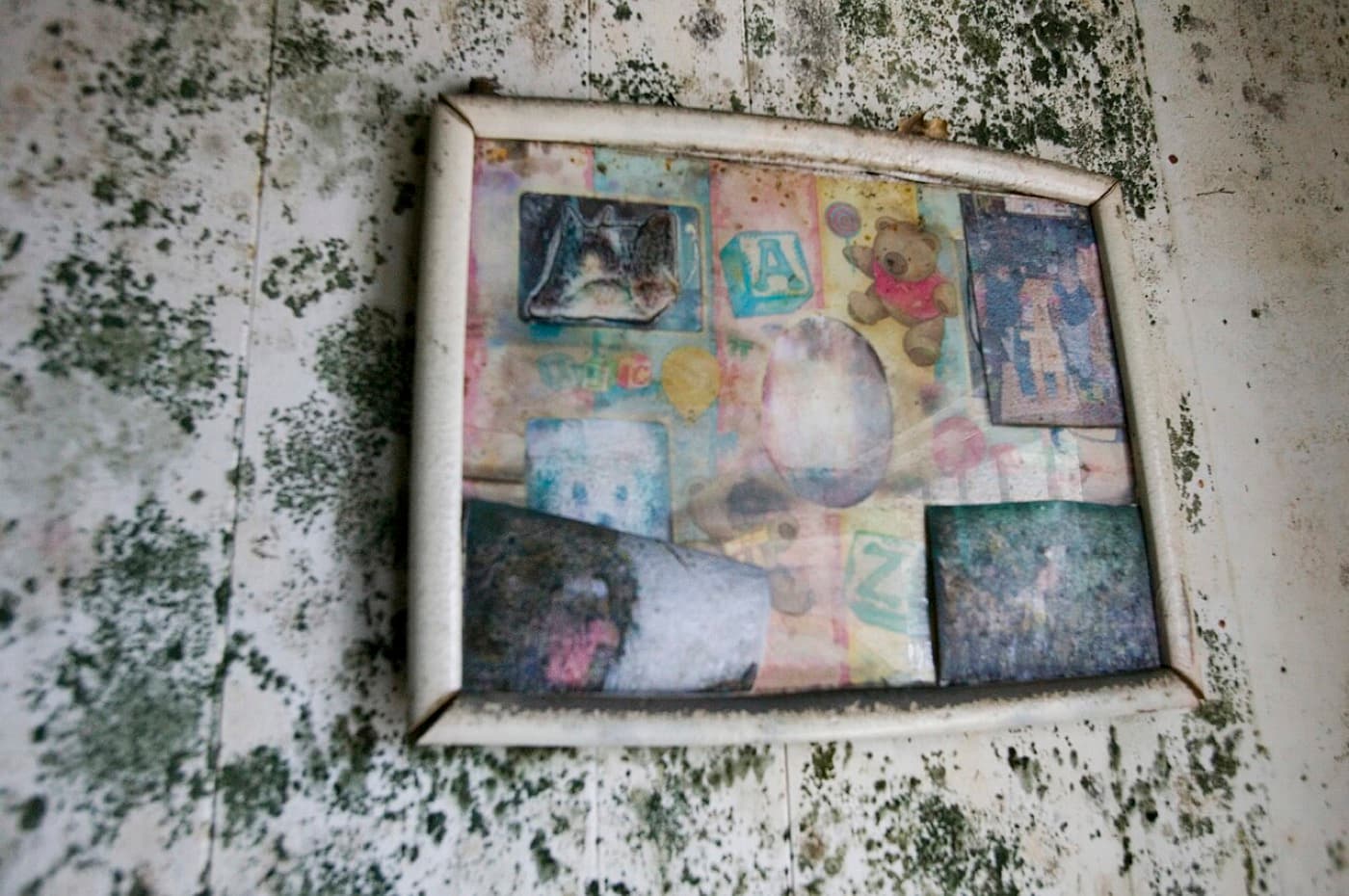
What does black mold look like? Most often it shows up as dark green to black patches, sometimes slimy and sometimes fuzzy, growing on chronically damp surfaces like soaked drywall, wood, grout, or a water-stained ceiling. It can start as small speckles and spread into irregular blotches, and it usually appears exactly where water has been sitting — behind a tub, under a window, along a basement wall.
From Sukie's experience
The patch behind my tub surround did not look like the textbook fuzzy black spot at all — it was a dark, almost wet-looking smear with a greenish edge, and the drywall around it was soft and slightly bulged, which is honestly what tipped me off more than the color did.
The classic appearance
The mold people label "black mold" typically looks like:
- Color: dark green, dark gray, or true black — sometimes with a slight greenish or olive tint
- Texture: slimy and wet-looking when actively growing on a damp surface, or dry and powdery/fuzzy in drier conditions
- Shape: irregular blotches and speckles that spread outward, not neat circles
- Surface: it can look like it is sitting on top, but on porous material it has actually grown into the surface, so it leaves a stain even after scrubbing
A useful tell is context: real black mold appears where there is a moisture source. A dark patch on a dry, well-ventilated wall with no water history is more likely dirt or a stain than mold.
How it looks on different surfaces
The same mold reads differently depending on what it is growing on, which is why people sometimes fail to recognize it. Here is how it tends to present across the materials it most commonly invades:
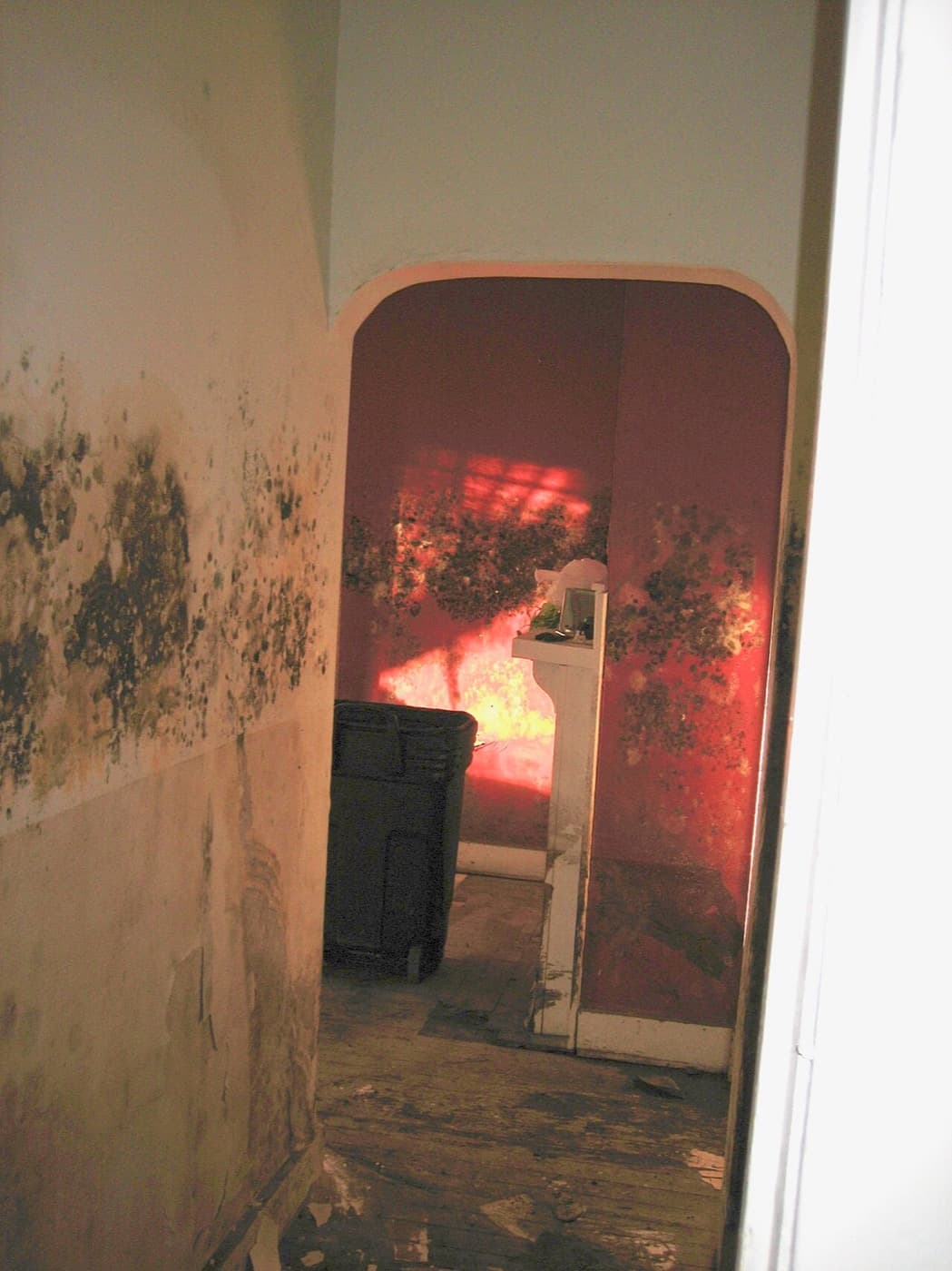
- Drywall and painted walls: dark blotches that may bleed into a brownish water stain; the wall can feel soft, look bubbled, or have peeling paint over the affected area.
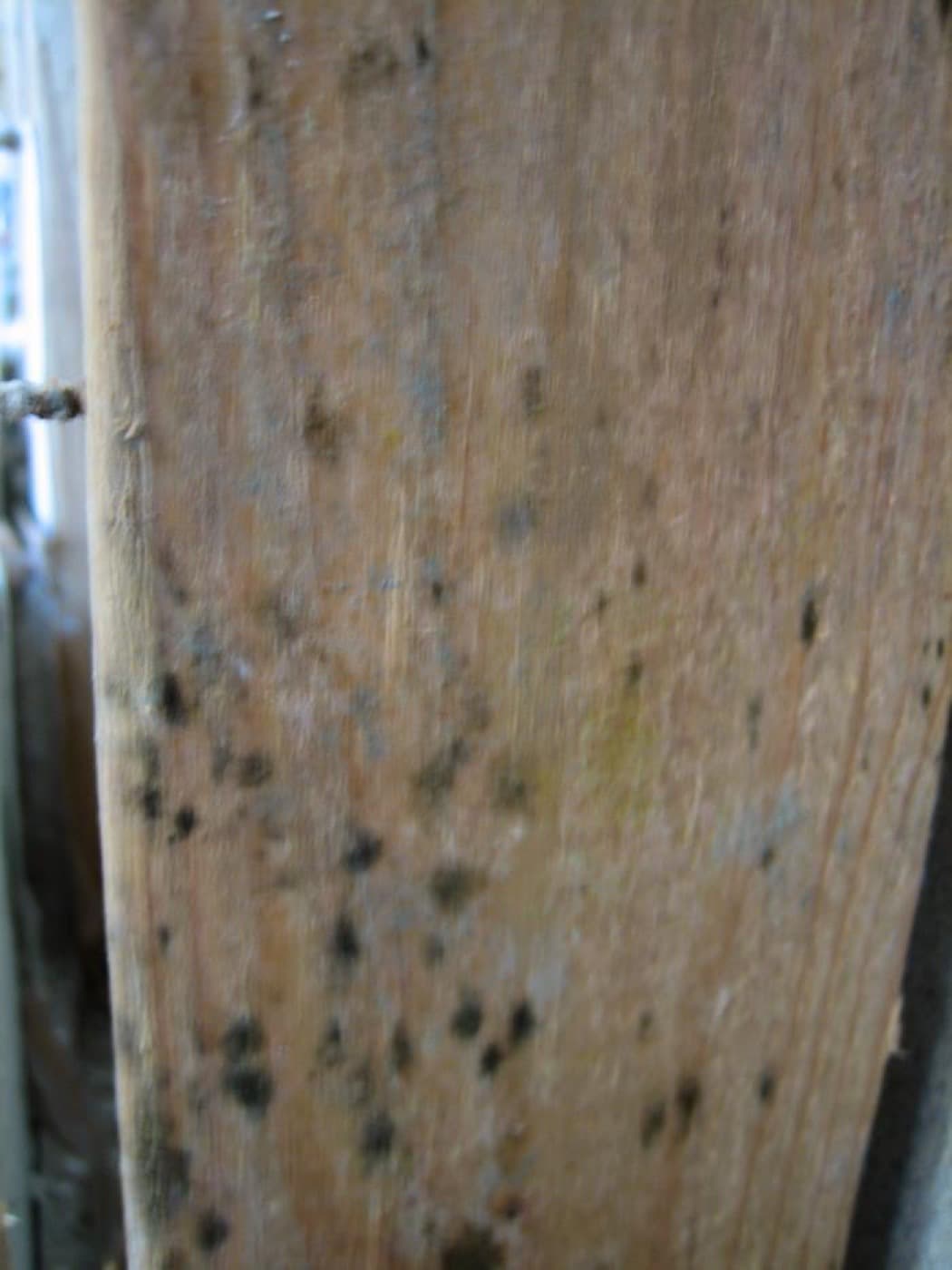
- Wood (studs, framing, trim): black or gray streaks following the grain; the wood may look darkened, feel damp or spongy, and in advanced cases show actual rot.
- Ceilings: a dark ring or splotch, often centered on a water stain from a roof or plumbing leak above, sometimes with a halo of lighter discoloration.
- Grout and caulk: dark lines and dots in the seams of a shower or tub — sometimes harmless surface mildew, sometimes deeper mold that has gotten under the caulk.
- Fabric, carpet, and drywall paper: fuzzy growth that is hard to fully remove because it is rooted in the fibers; these porous items usually have to be discarded.
- Concrete and masonry (basements): dark patches low on the wall, sometimes mistaken for staining; watch for white crystalline efflorescence too, which is mineral salt, not mold.
The common thread is that mold appears where water collects. If you map the dark spots in your home, they will almost always cluster around plumbing, roofs, windows, and low basement walls.
Not sure if it's a DIY job or a pro job?
Get a ballpark price first, then decide.
Estimate my removal cost →Black mold look-alikes
Plenty of dark spots are not mold at all. Here is how the common look-alikes compare:
| What you see | Likely is | Tell-tale clue |
|---|---|---|
| Dark fuzzy/slimy patch on damp wall | Mold | Grows where water sits; stains the material |
| Flat powdery film on shower tile | Mildew | Wipes off; surface looks fine underneath |
| Black dust around vents/edges | Soot or dirt | Wipes clean, no moisture source nearby |
| Dark streaks below roofline | Algae or dirt staining | Outdoors, on shingles or siding |
| Gray-black on old caulk | Mildew or surface mold | In the seam; cosmetic if it cleans up |
| Efflorescence (white-gray crystals) | Mineral salts, not mold | Crumbly, dissolves in water, on masonry |
When in doubt, the wipe-and-feel check helps: mold tends to smear or leave a stain and the surface beneath may be damaged, while dirt and mildew clean off and leave the surface intact.
Where black mold usually hides
You often smell or sense mold before you see it, because it favors out-of-sight damp spots. Common hiding places include behind and under bathroom fixtures, inside walls near plumbing, under sinks, behind baseboards in basements, around leaky windows, in attics under roof leaks, and inside HVAC ducts. If you have a musty smell but no visible growth, the colony may be behind a surface. Soft drywall, peeling paint, warped trim, and water stains are all visual breadcrumbs pointing to mold you cannot yet see directly.
Can you tell the toxic kind by looking?
No — and this is the part the scary articles get wrong. You cannot identify Stachybotrys chartarum, the species behind the "toxic black mold" label, just by its appearance. Many harmless and mildly allergenic molds look identical. The CDC makes the practical point clearly: because you should remove any indoor mold and fix the moisture regardless of type, identifying the exact species usually is not necessary. Color and looks tell you that you have a problem, not how dangerous it is.
What does black mold look like on fabric, leather or luggage? On textiles it typically appears as small scattered dark specks rather than a continuous patch, often with a faint bloom or haze over the surrounding fabric, and it's usually accompanied by a strong musty smell before it becomes clearly visible. On leather it presents differently — a powdery grey-white or green surface film that wipes off and leaves the leather looking dull or discoloured beneath. Both are common on items stored in basements, unheated wardrobes and rarely-opened suitcases. Porous items with growth through the material are frequently not worth saving, though hard-wearing textiles can often be recovered with a hot wash and thorough drying.
How small spots become big patches
Knowing what black mold looks like early is valuable because mold rarely stays the size you first notice. It begins as a few specks or a faint smudge where moisture first reached the surface, and as long as the dampness continues, the colony expands outward and downward into the material. What was a coin-sized spot behind a tub can, over a season of an unfixed leak, become a patch that spans a whole stud bay. The visual progression usually goes: faint discoloration, then distinct dark speckling, then a spreading blotch, then staining and material damage like softness or bubbling. By the time the surface looks dramatic, there is often more growth hidden behind it than you can see. This is why catching mold at the speckle stage, and fixing the water immediately, makes such a difference to how much you eventually have to remove and replace.
What to do once you have spotted it
Spotting mold is step one; the response is what matters. Fix the moisture source first — a leak, condensation, or humidity issue — because mold cannot regrow without water. Then clean it wearing an N95 respirator, gloves, and sealed eye protection: scrub hard non-porous surfaces and remove porous materials that are heavily affected. The EPA cleanup guide is a free, reliable reference. For areas larger than roughly 10 square feet, contaminated water, HVAC involvement, or anyone with asthma or immune issues, hire a certified professional.
Signs of mold you can't see directly
Because so much mold grows out of sight, learning to read the indirect signs is as useful as knowing what the growth itself looks like. Watch for:
- Discoloration and stains — yellowish, brownish, or dark patches bleeding through paint or wallpaper, often the first visible hint of moisture and growth behind the surface.
- Bubbling, peeling, or cracking paint, which signals trapped moisture in the wall.
- Warped, swollen, or soft drywall and trim that gives slightly when pressed.
- A persistent musty smell with no visible source — one of the most reliable indicators of hidden mold.
- Recurring "dirt" that keeps coming back in the same damp spot after you clean it.
Should you test it, or just deal with it?
If you see several of these together in one area, especially a damp one, assume there is more mold than meets the eye and investigate before redecorating over it.
Should you test it?
For most homeowners, testing a visible patch is optional and rarely changes the plan. Both the CDC and EPA note that sampling is generally unnecessary because cleanup is the same regardless of species — you remove visible mold and fix the moisture either way. Spending money to learn the exact species of a patch you can already see does not make the patch any cleaner or the wall any drier.
Get a realistic price before you call anyone
Use our free Black Mold Removal Cost Estimator to get a tailored price range for your room, size, and severity — built from current national and regional pricing data. Then you'll know whether a contractor quote is fair before you commit.
Open the Cost Estimator →