How to Prevent Black Mold

How to prevent black mold comes down to a single principle: mold cannot grow without moisture, so if you control moisture, you control mold. Spores are already floating in every home — you can't eliminate them and you don't need to. What you can do is deny them the damp surface they need to take hold. Get humidity, ventilation, and leaks under control and black mold simply has nowhere to settle.
Having remediated mold in two houses, I'd much rather spend a Saturday on prevention than another month cutting out drywall. This is the room-by-room, habit-by-habit plan I wish I'd followed from the start: the humidity targets, the ventilation fixes, the leak vigilance, and the cheap weekly habits that keep mold from ever getting a foothold.
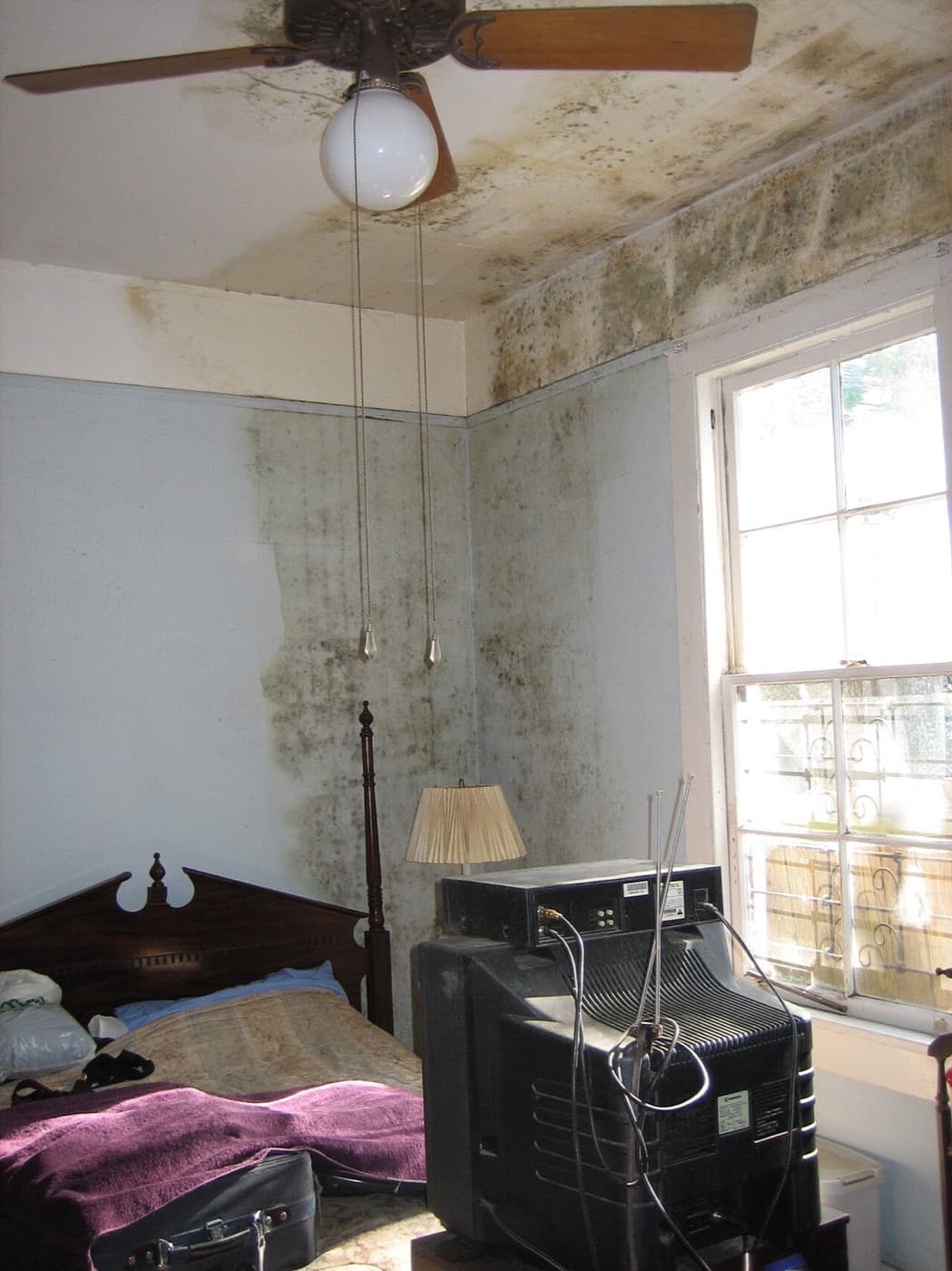
From Sukie's experience
Both of my mold problems were preventable: the bathroom leak had been weeping behind the tub for who-knows-how-long before I noticed the stain, and the basement grew mold behind the baseboards purely because I let the humidity sit at 65% all summer — a $200 dehumidifier would have spared me both remediations.
The one rule that prevents black mold: control moisture
Everything in this guide is a variation on one idea. Mold needs moisture, a food source, and time. You can't remove the food (drywall, wood, dust are everywhere) and you can't remove the spores, but you absolutely can remove the moisture. The EPA states it plainly: the key to mold control is moisture control. Keep surfaces and air dry and you starve mold before it starts. Every tactic below — humidity, ventilation, leaks, drying — is just a way of executing that one rule.
Keep indoor humidity between 30% and 50%
Relative humidity is the master dial for whole-house mold prevention. The EPA recommends keeping indoor humidity below 60%, ideally between 30% and 50%. Above roughly 60%, condensation and mold become likely; below 50% it's hard for mold to get going.
- Measure it. A $10–$15 hygrometer tells you where you stand in each room. Don't guess.
- Dehumidify damp spaces. Basements, crawl spaces, and humid-climate homes benefit hugely from a dehumidifier; set it around 45–50%.
- Use AC in summer — it dries the air as it cools.
- Don't over-humidify in winter. If you run a humidifier, keep it modest; too much creates condensation on cold windows and walls.
Here's a quick reference for where humidity tends to spike and what to do:
| Area | Why it gets damp | Prevention move |
|---|---|---|
| Bathroom | Shower steam | Exhaust fan during + 20–30 min after; squeegee |
| Kitchen | Cooking, boiling, dishwashing | Range hood vented outside; cover pots |
| Basement | Cool surfaces, poor airflow, ground moisture | Dehumidifier set ~45%; seal cracks |
| Crawl space | Ground moisture, no ventilation | Vapor barrier; encapsulation if chronic |
| Laundry | Dryer + washer moisture | Vent dryer outside; never indoors |
| Bedrooms/closets | Poor airflow on exterior walls | Air circulation; keep furniture off walls |
The CDC's guidance on mold makes the same point: identifying the exact species rarely changes what you should do about it.
Not sure if it's a DIY job or a pro job?
Get a ballpark price first, then decide.
Estimate my removal cost →Ventilate moisture-generating rooms
Cooking, showering, and laundry dump huge amounts of water vapor into the air. If it can't get out, it condenses on cool surfaces and feeds mold.
- Bathrooms: run the exhaust fan during showers and 20–30 minutes after. Make sure it vents outside, not into the attic. No fan? Crack a window.
- Kitchen: use a range hood that exhausts outdoors when cooking and boiling.
- Dryer: vent it outdoors, always — an unvented or indoor-vented dryer is a mold machine.
- Whole house: open windows on dry days, run ceiling fans, and don't block return air vents with furniture.
Ventilation is the cheapest, most overlooked prevention there is. My bathroom ceiling mold was, at root, a fan that didn't run long enough.
Find and fix leaks fast
A slow, hidden leak is the classic black-mold origin story — mine included. Mold can establish within 24–48 hours of a surface staying wet, so speed matters.
- Plumbing: check under sinks, behind toilets, and around tubs/showers periodically for drips, dampness, or a musty smell. Re-caulk failing seals.
- Roof: inspect after storms; address ceiling stains immediately rather than "watching" them.
- Windows and doors: reseal failing caulk and weatherstripping where condensation or rain gets in.
- Appliances: watch water heaters, dishwashers, washing machines, and refrigerator lines for slow leaks.
- Foundation: grade soil away from the house and keep gutters and downspouts clear so water drains away from the foundation.
When something does get wet — a spill, an overflow, a leak — dry it within 24–48 hours. That window is the difference between a wipe-up and a remediation.
Stop condensation on cold surfaces
Condensation forms when warm, humid indoor air hits a cold surface — single-pane windows, uninsulated exterior walls, cold ceilings, basement walls, and cold-water pipes. That film of water grows mold quietly.
- Insulate cold walls, ceilings, and pipes so their surfaces stay above the dew point. (My ceiling condensation only stopped after I fixed slumped attic insulation.)
- Wipe condensation off windows in winter; add storm windows or upgrade single panes if it's chronic.
- Improve airflow in closets and corners on exterior walls — keep furniture a few inches off the wall so air can move.
- Lower indoor humidity in winter so there's less moisture to condense in the first place.
Address the basement and crawl space specifically
Below-grade spaces are the most common whole-house mold sources because they're cool, often poorly ventilated, and exposed to ground moisture. They deserve their own attention:
- Run a dedicated dehumidifier and keep it draining or emptied.
- Seal foundation cracks and ensure exterior water drains away from the house.
- Lay a vapor barrier in dirt-floor crawl spaces; consider encapsulation if dampness is chronic.
- Don't store cardboard, paper, or fabric directly on basement floors — they wick moisture and feed mold.
- Keep furniture and stored items off exterior basement walls so air can circulate behind them.
My basement mold grew behind baseboards I never thought to check, fed by summer humidity I never measured. A dehumidifier and a hygrometer would have prevented the whole thing.
Choose mold-resistant materials in damp areas
When you renovate or repair in moisture-prone rooms, pick materials that don't give mold an easy meal: moisture-resistant (green/purple) drywall or cement board in bathrooms and basements, mold-resistant paint as a finish layer after surfaces are clean, and 100% silicone caulk with mildewcide for wet joints. These don't replace moisture control, but they buy you margin in the rooms where dampness is hardest to fully eliminate.
A few other smart material choices: use non-paper-faced drywall behind tile in showers and tubs; pick tile, sealed concrete, or vinyl over carpet for basements and bathrooms, since carpet holds moisture and is nearly impossible to fully dry once soaked; and avoid storing porous, mold-friendly items (cardboard boxes, paper, fabric, old books) in damp areas. When you do finish a basement, leave an air gap and use rigid foam or closed-cell insulation rather than trapping organic materials against a cool foundation wall. Each of these decisions removes either a food source or a moisture trap — and mold needs both to thrive.
Easy weekly and seasonal habits
Prevention is mostly small, cheap habits done consistently:
- Weekly: squeegee the shower, wipe down sills and tile, glance under sinks, empty the dehumidifier.
- Monthly: check the hygrometer in damp rooms, look for new stains or musty smells, clean bathroom fans of dust.
- Seasonally: inspect the roof and gutters, test the sump pump, reseal failing caulk, swap dehumidifier/humidifier use with the seasons.
- After any water event: dry it within 24–48 hours, full stop.
None of this is glamorous, but it's a fraction of the time and money of remediation. Trust me — I've done it the expensive way twice.
When prevention isn't enough: spotting and acting early
Even careful homes occasionally get a spot. Catch it early and it stays a five-minute job. Watch for a musty smell (often the first sign of hidden mold), small dark or fuzzy patches in corners and on caulk, or recurring condensation. Clean small surface growth promptly with detergent and water, and fix whatever made that spot wet. If you find mold larger than about 10 square feet, inside walls or HVAC, or tied to sewage or flooding — or if anyone in the home has asthma, allergies, or a weakened immune system — bring in a certified remediation professional rather than disturbing it yourself, as the CDC advises.
Get a realistic price before you call anyone
Use our free Black Mold Removal Cost Estimator to get a tailored price range for your room, size, and severity — built from current national and regional pricing data. Then you'll know whether a contractor quote is fair before you commit.
Open the Cost Estimator →