Black Mold Symptoms: What to Watch For

Black mold symptoms are mostly allergy-and-respiratory in nature: a stuffy or runny nose, sneezing, itchy eyes, a scratchy throat, and coughing or wheezing. For people with asthma or a mold allergy, those reactions can be stronger and more persistent. What black mold does not reliably cause, despite what the scary blogs say, is the long list of dramatic neurological and "toxic poisoning" symptoms often attributed to it — that link is not well supported by science.
I have lived through two mold cleanups in my own homes, and I will walk through the symptoms people actually report, who tends to react most, and the point at which you should stop Googling and talk to a doctor. This is general information, not medical advice.
From Sukie's experience
During the months before we found the mold behind our basement baseboards, I had a low-grade morning cough and itchy eyes that I blamed on seasonal allergies; both cleared up within a couple of weeks of remediating and running a dehumidifier, which was my own informal confirmation that the basement was the culprit.
The symptoms people actually report
The reactions that public-health agencies consistently associate with indoor mold are upper-respiratory and allergic. The most common black mold symptoms include:
- Nasal congestion, runny nose, or post-nasal drip
- Sneezing fits, especially indoors or in a specific room
- Red, itchy, or watery eyes
- Sore or scratchy throat
- Coughing
- Wheezing or chest tightness
- Skin irritation or a rash in some sensitive people
- Headaches and a vague feeling of fatigue (less specific, often overlapping with other allergies)
According to the CDC, these effects are linked to mold exposure in general — the color or species is not what determines whether you react. A telltale clue is symptoms that flare in one room or building and ease when you leave it.
Symptoms in people with asthma or allergies
If you already have asthma, mold can act as a trigger and make your normal symptoms worse: more frequent coughing, more rescue-inhaler use, nighttime wheezing, and harder-to-control flare-ups. People with a diagnosed mold allergy can have stronger versions of the standard hay-fever-style reactions. The EPA specifically notes that molds can trigger asthma episodes in sensitized individuals, which is why getting the mold out matters more for these households.
If you notice your asthma is suddenly harder to manage and you cannot explain why, a hidden moisture or mold problem at home is worth checking — particularly in bathrooms, basements, and around windows where condensation collects.
Not sure if it's a DIY job or a pro job?
Get a ballpark price first, then decide.
Estimate my removal cost →A room-by-room symptom clue
One of the most practical ways to connect symptoms to mold is to pay attention to where they happen. Mold-related reactions tend to be tied to a place, because the spores are concentrated near the growth. If your nose runs and your eyes itch within an hour of going down to the basement but you feel fine upstairs, that geographic pattern is far more telling than the symptoms themselves. The same goes for waking up congested every morning if mold is hiding in the bedroom or its closet, or for symptoms that flare in a steamy bathroom.
Keep an informal log for a week or two: note which rooms you were in, what time, and how you felt. People often discover their "random" allergies are actually quite predictable once they track location. That pattern is also useful information to bring to a doctor, who can use it to decide whether mold-allergy testing makes sense. It is the kind of real-world clue a lab test alone will not give you, and it costs nothing but attention.
Symptoms that are NOT clearly caused by black mold
It is just as important to know what black mold probably is not doing. The internet attributes memory loss, severe depression, hair loss, nosebleeds, and a long catalog of systemic illnesses to "toxic black mold." The reality is that high-quality evidence does not support a causal link between common household mold and these severe, body-wide effects in otherwise healthy people. Mycotoxins exist, but detecting them in a building is not the same as proving they made someone sick.
This matters because chasing a mold explanation for serious unexplained symptoms can delay finding the real cause. If you have significant or worsening health problems, the right step is a medical workup, not a mold test kit.
Serious symptoms in vulnerable people
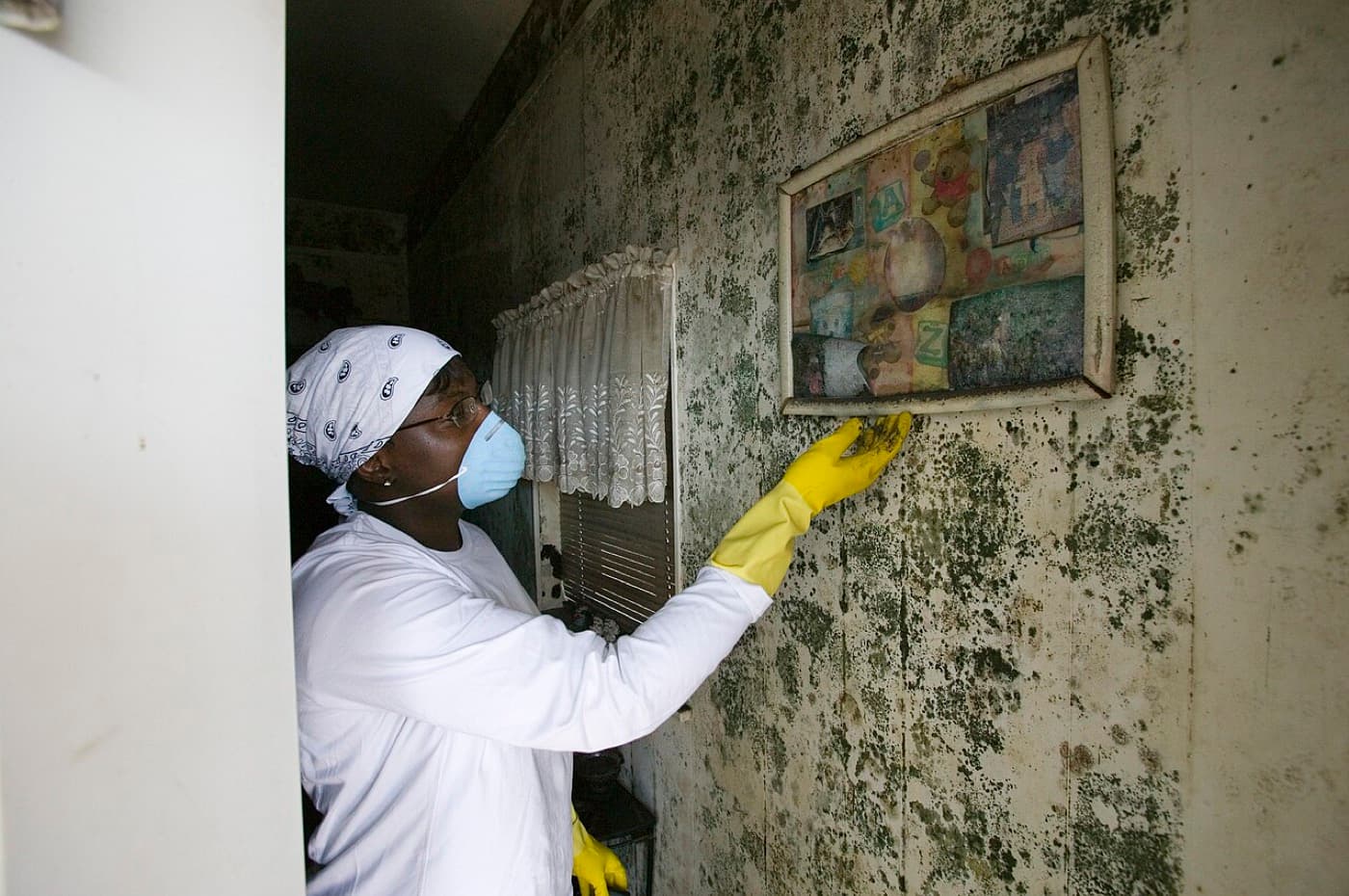
A small group faces higher stakes. People who are immune-compromised — undergoing chemotherapy, living with an organ transplant, or with advanced HIV — can develop genuine fungal infections in the lungs from heavy mold exposure. Symptoms there can include persistent fever, a worsening cough, and shortness of breath, and they warrant prompt medical attention. Infants, young children, and older adults are also considered more sensitive groups. For these households, do not treat mold casually: keep vulnerable people away from affected areas and address the problem quickly.
How long symptoms take to show up — and to fade
One of the most confusing things about mold symptoms is the timing, because it is genuinely person-dependent. Someone with an existing mold allergy can react within minutes to hours of walking into a contaminated room — the immune system already recognizes the allergen and fires immediately. Someone without that sensitivity might spend weeks or months in the same room with no obvious effect, or might slowly become sensitized over time. There is no fixed "exposure clock" that applies to everyone.
Recovery follows a similar pattern. Once you are out of the contaminated environment and the mold is gone, simple allergy-type symptoms usually ease within a few days to a couple of weeks. People with asthma may need a little longer for their airways to settle back down. If your symptoms do not improve at all after the mold is removed, that is a strong sign mold was not the cause and you should look elsewhere with a doctor's help. I noticed my own morning cough and itchy eyes clear within about two weeks of remediating the basement and running a dehumidifier — not instant, but unmistakable.
Symptoms that point to a different problem
Because "black mold symptoms" gets blamed for almost everything online, it helps to flag the signs that usually mean something else is going on and deserve a real medical evaluation rather than a mold hunt:
- Fever and body aches point more toward an infection like a cold, flu, or COVID than an allergy.
- Symptoms that follow you everywhere, not just at home, suggest the trigger is not your house.
- Sudden severe shortness of breath or chest pain is an emergency — seek care immediately regardless of any mold.
- Coughing up blood is always a reason to see a doctor and is not a typical effect of household mold.
- Neurological symptoms like confusion or memory loss are not well-supported effects of common indoor mold and need a proper workup.
Treating these as "just mold" can delay finding the actual cause, which is the real danger of the toxic-mold mythology.
When to see a doctor (and what to do about the mold)
See a healthcare provider if symptoms are persistent, worsening, or interfering with daily life, if you have trouble breathing, or if a vulnerable person in your home is affected. A doctor can test for a mold allergy with a skin-prick or blood test and rule out other causes — your symptoms might not be mold at all, and confirming an allergy changes how aggressively you should manage your environment. Bring specifics to the appointment: which room triggers symptoms, whether they ease when you leave home, and how long you have been exposed.
On the home side, symptoms are a reason to act on the source. Fix the moisture problem first — a leak, condensation, or humidity issue — because cleaning mold without stopping the water just guarantees it returns and your symptoms with it. Then remove the mold while wearing an N95 respirator, gloves, and sealed eye protection, and keep any symptomatic or vulnerable household members out of the area during the work. The EPA cleanup guide covers the procedure step by step. For areas larger than about 10 square feet, contaminated-water situations, mold in the HVAC system, or anyone with asthma or immune issues, bring in a certified professional rather than DIYing.
Get a realistic price before you call anyone
Use our free Black Mold Removal Cost Estimator to get a tailored price range for your room, size, and severity — built from current national and regional pricing data. Then you'll know whether a contractor quote is fair before you commit.
Open the Cost Estimator →