Best Respirator for Mold Removal: N95 vs. Half-Face, and Fit

Quick answer
Match the respirator to the job. For wiping a small mold area, a well-fitted N95 is enough, and the EPA recommends at minimum an N95 for cleaning small areas. For demolition, such as cutting drywall, pulling baseboards or sanding studs, step up to a reusable half-face respirator with P100 filters, which capture 99.97% of particulates. Check for 'NIOSH approved' on the mask, and remember a beard breaks the seal of any tight-fitting mask.
A respirator, for mold work, is a NIOSH-approved mask that seals to your face and filters spores out of the air you breathe. Choosing the best respirator for mold removal comes down to one thing the box on the shelf won't tell you: how big and how nasty the job is. For wiping down a small shower corner, a snug N95 is genuinely enough. For tearing out moldy drywall in a basement, you want a reusable half-face respirator with P100 filters that actually seals to your face. The EPA's mold guidance is explicit that disturbing mold releases spores, and a respirator is the one piece of protection most DIYers skimp on.
This deserves real time because it's the gear people most often get wrong, and the consequences land in your lungs. The good news is that effective respiratory protection for mold is cheap and widely available — there's no exotic equipment to track down. The catch is that the cheapest version (a disposable mask) and the right version for demolition (a sealed half-face) are genuinely different tools, and a mask that doesn't seal to your face protects almost nobody. So below we cover when each one is appropriate, how to read the ratings, and the fit details that decide whether any of it actually works.
N95 or half-face? Match the respirator to the job
The EPA, in its mold cleanup guidance, recommends at minimum an N95 respirator for cleaning small mold areas. That's the right call for wiping a shower corner or treating a square foot of stained grout. But the moment you start disturbing materials — cutting drywall, pulling baseboards, sanding studs — you're aerosolizing a cloud of spores, and a disposable mask's seal isn't built for that. Step up to a reusable half-face respirator with P100 filters. P100 captures 99.97% of particulates, and the rubber faceseal holds a tighter seal than paper. Rule of thumb: wiping, N95; demolition, half-face P100.
What do N95 and P100 ratings actually mean?
The letter (N, R, P) tells you oil resistance — for mold, N is fine. The number (95, 99, 100) is the percentage of particles filtered: N95 stops 95%, P100 stops 99.97%. Mold spores are large enough that an N95 captures them well, so for protection alone an N95 is adequate; you move up to P100 mainly for the better seal and durability of a reusable mask during heavy work. Don't confuse a comfort dust mask or a surgical mask with a NIOSH-approved respirator — the cheap ones with a single strap do almost nothing for spores.
The single label to look for is 'NIOSH approved' printed right on the mask, along with a TC approval number for half-face units. NIOSH (the National Institute for Occupational Safety and Health) is the U.S. body that actually tests and certifies respirators, and that stamp is your assurance the filtration claim is real rather than marketing. A surgical mask, a fabric face covering, or a one-strap painter's nuisance mask carries no such rating and is not designed to seal — they're for keeping dust off, not keeping spores out of your lungs. If a mask doesn't have two straps and a metal nose clip you can mold to your face, treat it as no protection at all for mold work.
| Mask | Filters | Right job | Watch for |
|---|---|---|---|
| NIOSH N95 (disposable) | 95% of particles | Wiping or treating a small area, such as a shower corner or a square foot of grout | Needs two straps and a metal nose clip; seal is not built for demolition |
| Reusable half-face with P100 filters | 99.97% of particulates | Demolition: cutting drywall, pulling baseboards, sanding studs | Filters are sold separately; check for a TC approval number |
| Full-face respirator | Depends on the filters fitted | Heavy work where you also need sealed eye protection, or if you wear glasses | Combines the respirator and goggles in one |
| Surgical mask, cloth covering, one-strap dust mask | No NIOSH rating | Not for mold work | Not designed to seal |
Built from the ratings and fit points on this page. Source for the N95 minimum on small areas: EPA, Mold Cleanup in Your Home. Filtration percentages are the NIOSH rating classes described above.
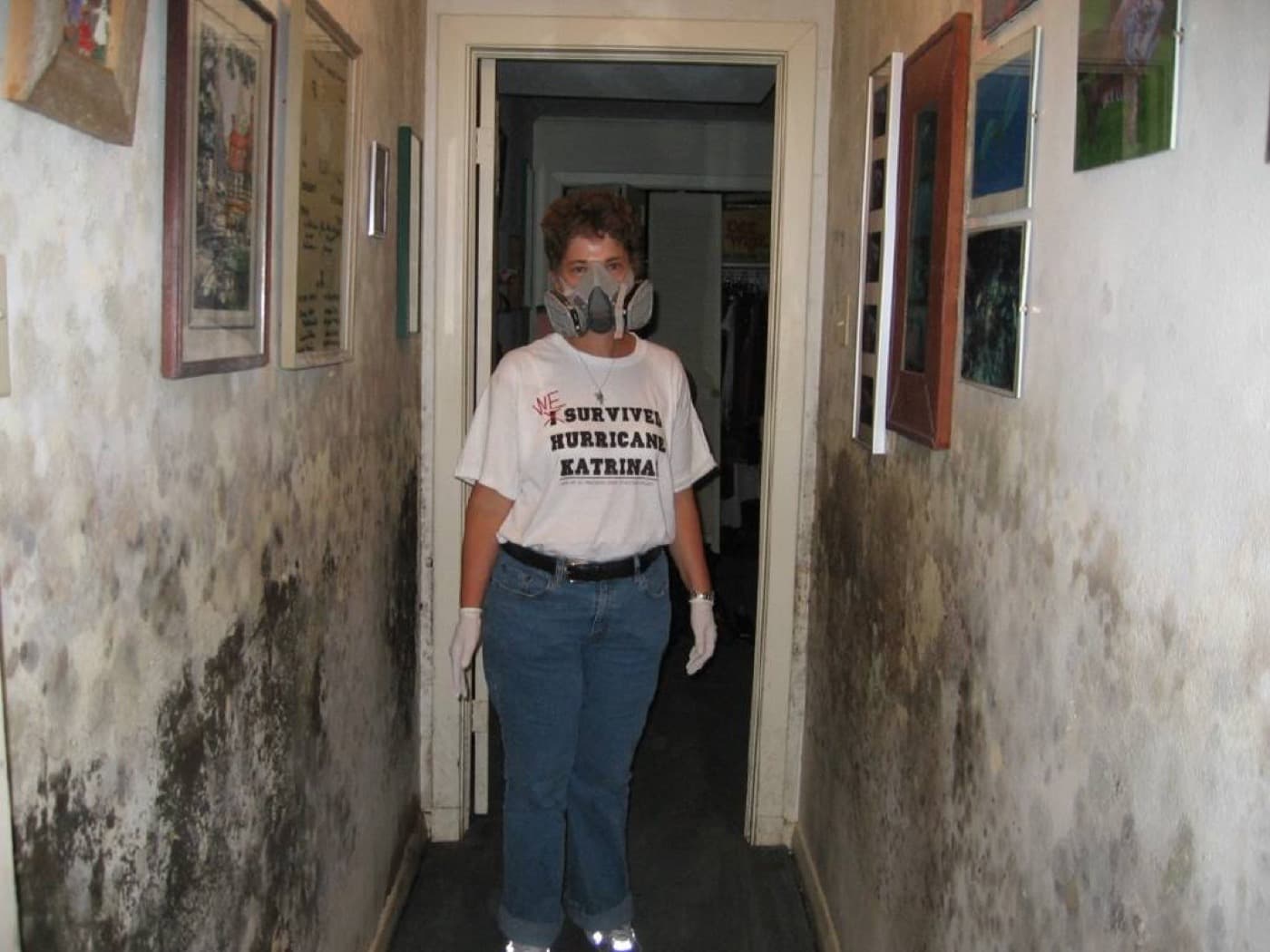
Fit is everything (a respirator that leaks beats nothing, but barely)
A respirator only works if it seals. Facial hair is the number-one cause of leaks — a beard breaks the seal of any tight-fitting mask, and no amount of cinching fixes it. Do a quick fit check every time: with a half-face, cover the exhalation valve and exhale gently (the mask should bulge slightly and hold), then cover the filters and inhale (it should collapse against your face and hold). With an N95, cup both hands over it and exhale; you should feel no leaks around the edges. If you can smell a strong odor through it, it isn't sealed.
How these respirators were picked
The picks stick almost entirely to 3M and a couple of well-regarded alternatives because respiratory protection is not the place to gamble on an unknown brand. The weighting favors NIOSH approval, real seal quality, comfort over multi-hour jobs (a respirator you take off because it hurts protects nothing), and clear filter availability. Note that half-face units need filters bought separately, because plenty of people buy the mask and forget the cartridges — at which point it's just an expensive face cup.
Buyers differ. If you're doing one small bathroom job and will likely never touch mold again, a box of NIOSH N95s is the sensible, no-waste choice — there's no reason to invest in a reusable system you'll use once. If you own an older home, a damp basement, or you're the type who tackles projects yourself, a reusable half-face plus a stock of P100 filters pays for itself quickly and is far more comfortable and protective for the bigger jobs that inevitably come up. The picks aim to serve both of those people rather than pushing everyone toward the priciest option, because the best respirator is the one that fits your job, your face, and how often you'll actually use it.
Besides a respirator, what else should you wear?
Spores land on skin and clothes, not just lungs. Pair the respirator with nitrile or rubber gloves that extend up the forearm, sealed eye protection (goggles, or a full-face respirator that combines the two), and disposable coveralls or old clothes you can wash separately or toss. Ventilate the work area to the outside if you can, bag debris on the spot, and HEPA-vacuum afterward. The respirator is the centerpiece, but mold remediation is a head-to-toe job.
The detail most people miss is what happens after the work. You spend an hour carefully filtering the air you breathe, then walk through the house in spore-covered clothes and spread everything you just avoided. Set up a simple decon habit: keep a contractor bag by the work area, peel off coveralls or work clothes there, bag them, and either wash them on their own hot cycle or toss the disposables. Wipe down tools, leave the respirator filters out of the contaminated zone, and wash your hands and face before you touch anything clean. It feels fussy for a small job, but it's the difference between containing the mess and redistributing it.
Comfort, breathing resistance, and wearing it long enough to matter
A respirator only protects you while it's on your face, and the honest reason people pull them off mid-job is discomfort. Half-face masks make you work a little harder to breathe, fog your glasses, and trap heat — all manageable, but worth planning for. This is why the slightly pricier 3M 7500 series or the low-profile GVS Elipse is the better fit for any job over an hour: a comfortable mask is one you'll actually keep sealed. Take breaks in clean air to cool down rather than lifting the mask in the contaminated zone. If you wear glasses, a full-face respirator or anti-fog measures help. And don't underestimate heat — combine a respirator, goggles, gloves and coveralls in a hot basement and you'll overheat fast, so pace the work, hydrate, and split big jobs across sessions rather than powering through and ending up tempted to ditch the gear.
When the right move is to step back and call a pro
No respirator makes a big remediation job a safe DIY project. If the moldy area exceeds roughly 10 square feet, if there's been sewage or flood contamination, if mold is in your HVAC system, or if you or anyone in the home has asthma, allergies or a weakened immune system, the safest choice is a certified remediation contractor with containment, negative-air machines and trained crews. A half-face P100 protects you for a job your skills and the situation can actually support — it doesn't turn a hazardous remediation into a weekend project.
Our picks
Picks below are Amazon affiliate links — we may earn a commission, at no cost to you.
- Best overall for big jobs
3M 6291 Half Facepiece Respirator Kit with P100 Filters (medium)
NIOSH-approved half mask with P100 filters in one box, so nothing is sold separately. Do a seal check each time you put it on.
$24.88Shop Now - Best for comfort on long jobs
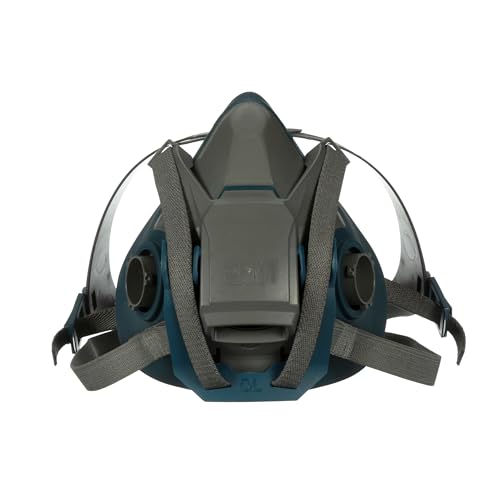
3M 6503QL Rugged Comfort Quick Latch Half Mask
NIOSH-approved silicone half mask with a one-hand drop-down latch, so you can step out of the work area and breathe without unstrapping.
$20.80Shop Now - Best filters for half-face units
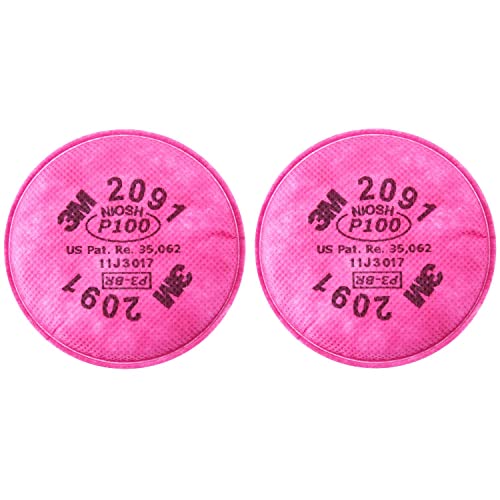
3M 2091 P100 Particulate Filters (3 pairs)
P100 filters (99.97% efficiency under NIOSH P100) for 3M 6000/6500/7500 masks. Replace when breathing gets harder or they are damaged.
$24.00Shop Now - Medium size of the comfort pick
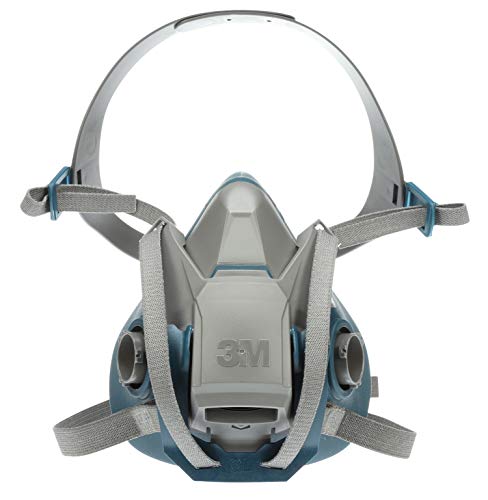
3M 6502QL Rugged Comfort Quick Latch Half Mask (medium)
The medium size of the 6500QL half mask. Choose by fit, and pair it with P100 filters for tear-out work.
$30.80Shop Now - Best disposable for small jobs
3M 8210 N95 Respirator (Box of 20)
NIOSH-approved disposable N95s that are the EPA's minimum recommendation for small mold cleanup. Affordable and adequate for light jobs, but no exhalation valve and a less robust seal than a half-face.
$17.91Shop Now - Best valved N95 for comfort
3M 8511 N95 Respirator (Valved)
A valved N95 that makes exhaling cooler and easier during dusty work, ideal for moderate cleanup. The valve aids comfort but means it won't protect others from what you exhale.
$22.23Shop Now - Best low-profile half-mask
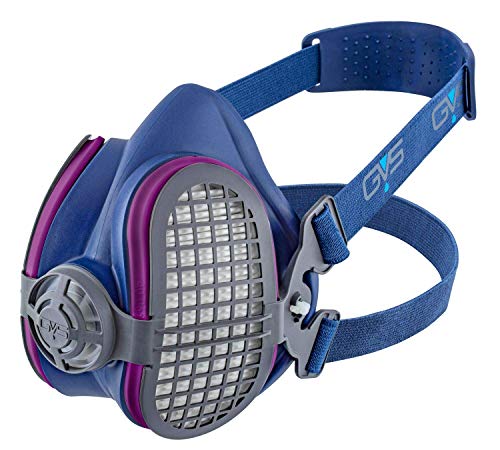
GVS Elipse P100 Half-Mask Respirator
A low-profile half-mask with integrated P100 filters that's light and great for visibility in tight spaces. Comfortable and effective; replacement filters are proprietary, so stock up.
$59.12Shop Now - Best for eye + lung protection
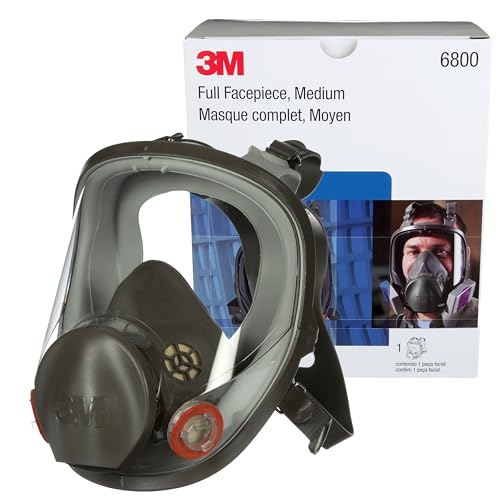
3M 6800 Full-Face Respirator
A full-face respirator that protects eyes and lungs together with P100 filters, worth it for heavy or extended remediation. Expensive and bulky, but it eliminates the need for separate goggles.
$136.00Shop Now



Product prices and availability are accurate as of November 12, 2026 and are subject to change.